
Available evidence records
All Atlas profiles
Search every profile that has reached the current review set. Planned routes do not appear here until their records exist.36 profiles availableCurrent archive
Search available worlds
The current archive covers the Sun, eight planets, the Moon, five dwarf planets and a first group of important moons. Later regions will join this index without duplicating their records.
Only real profile records appear here. Planned categories and empty placeholders are excluded.
36 objects
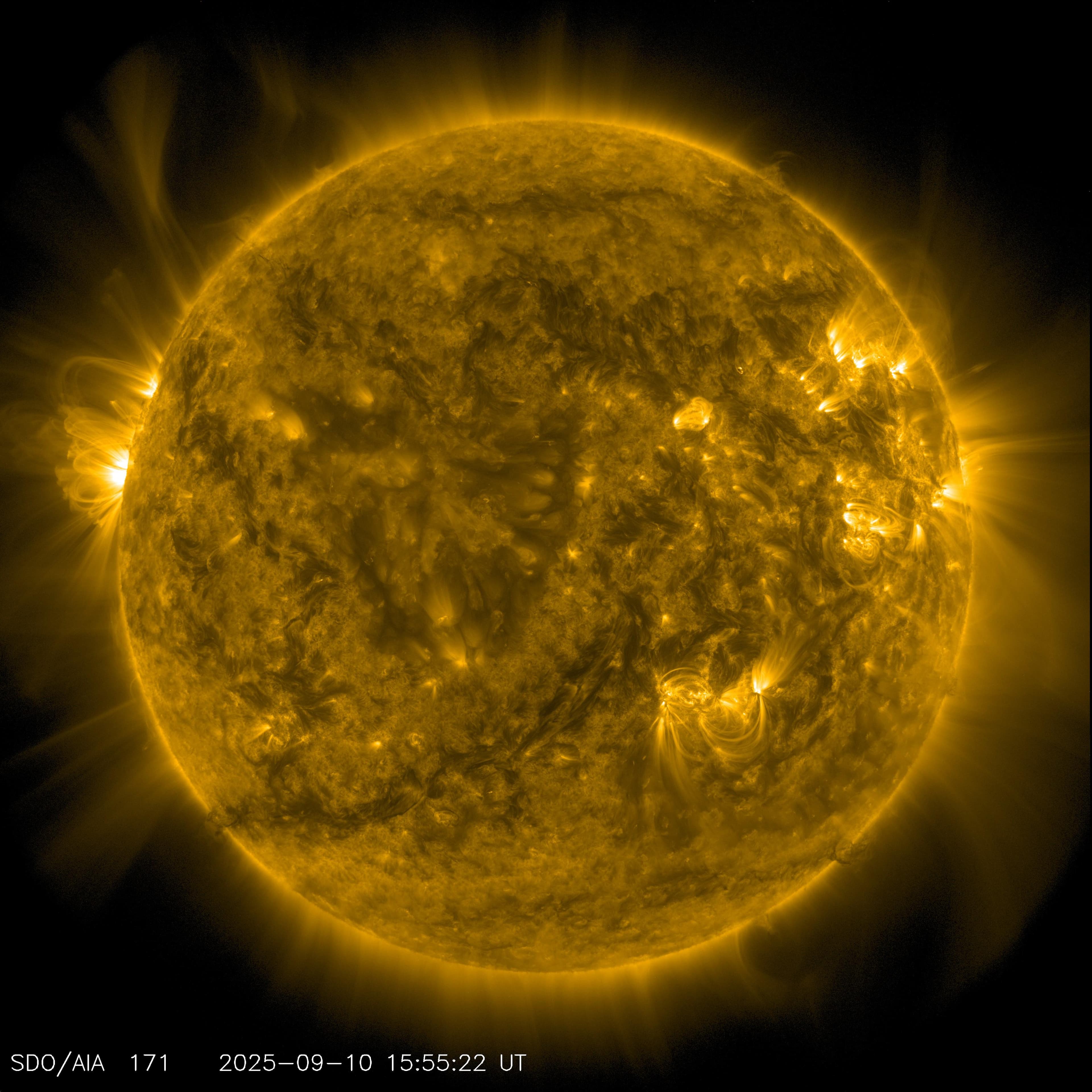 StarData updated 2026-07-31SunG-type main-sequence star · Solar System primaryThe star whose gravity, light and plasma weather shape every Solar System journey.Mean radius 695,700 kmReference gravity 274 m/s²
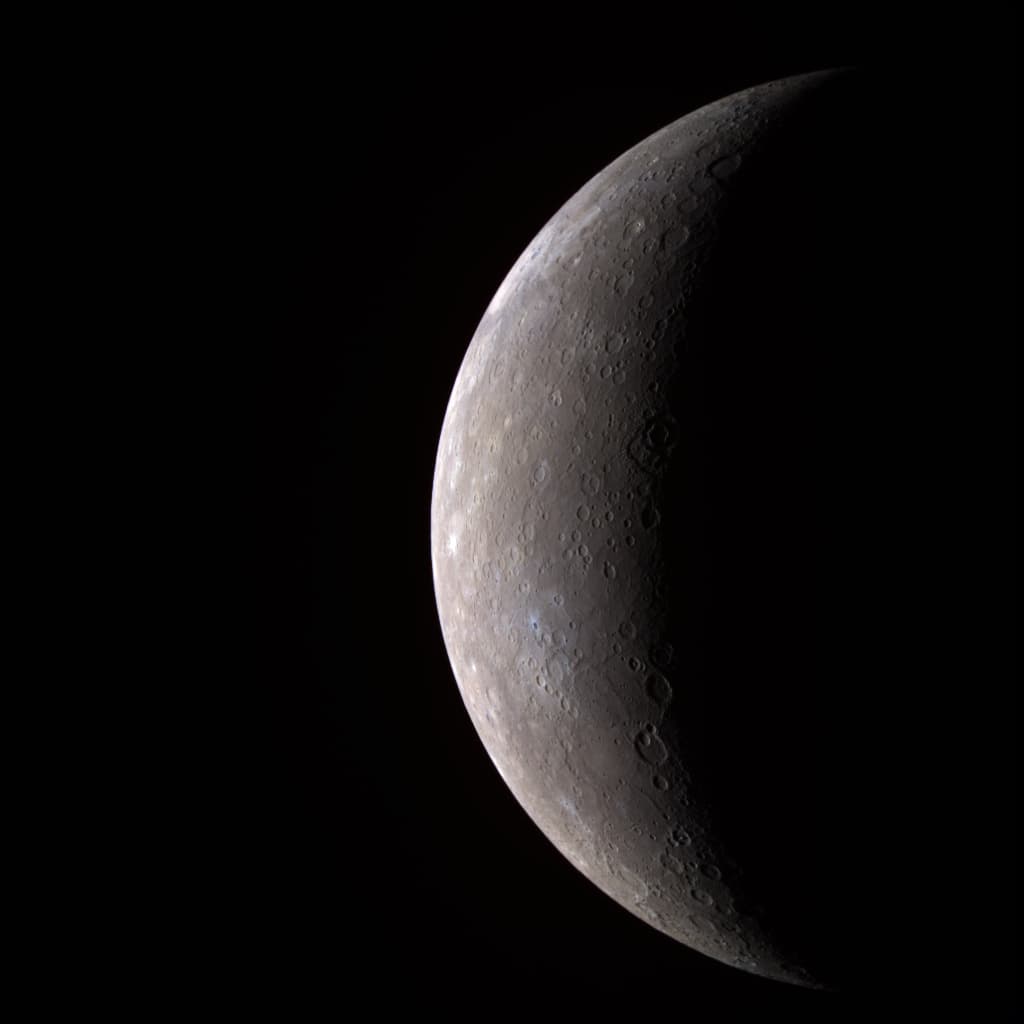 Terrestrial planetData updated 2026-07-30MercuryRocky terrestrial planetThe smallest planet and the closest to the Sun, with an old cratered surface, a huge metal core and almost no insulating atmosphere.Mean radius 2,439.4 kmReference gravity 3.7 m/s²
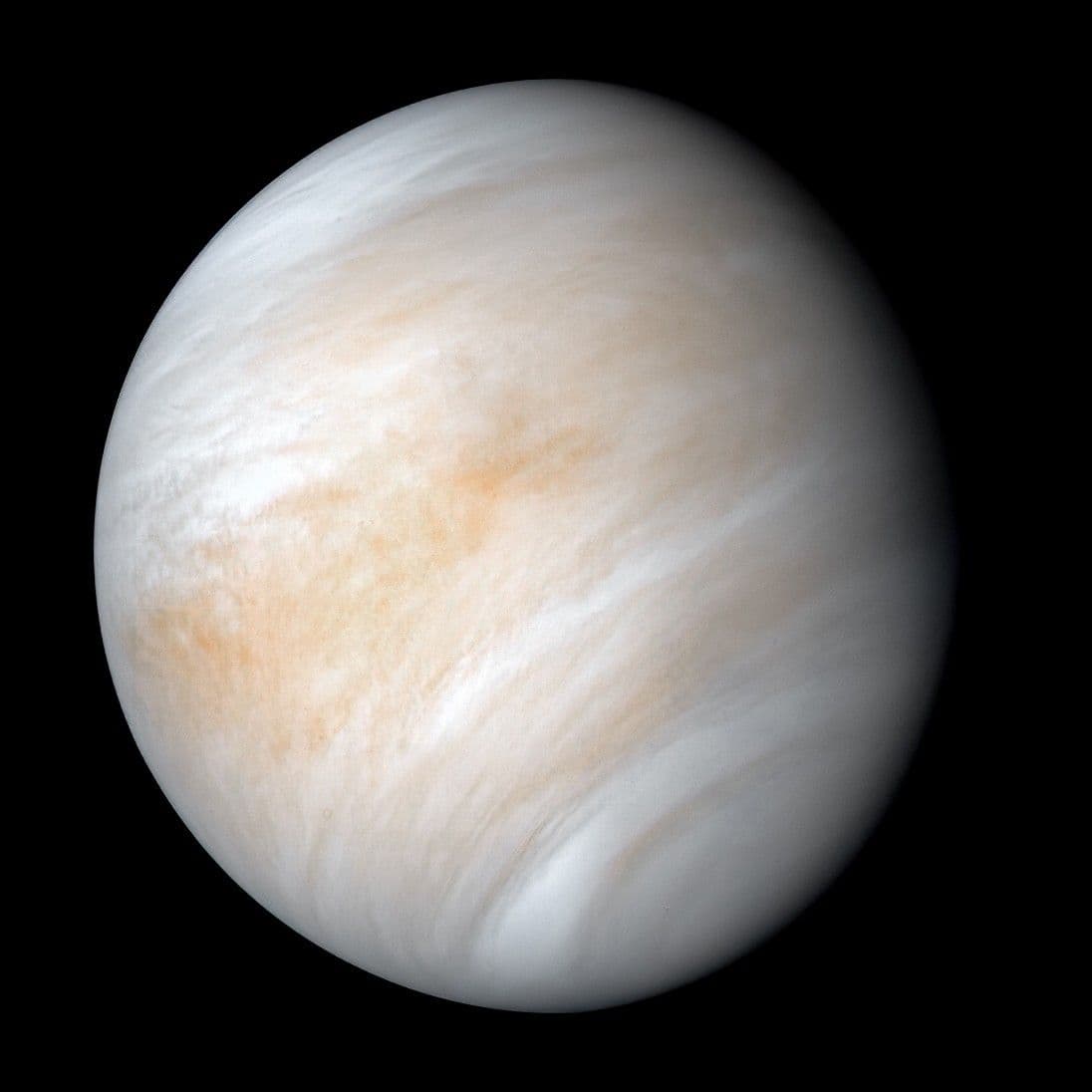 Terrestrial planetData updated 2026-07-30VenusRocky terrestrial planetEarth's near-size neighbour, hidden beneath carbon-dioxide air and sulfuric-acid clouds, with the hottest planetary surface.Mean radius 6,051.8 kmReference gravity 8.87 m/s²
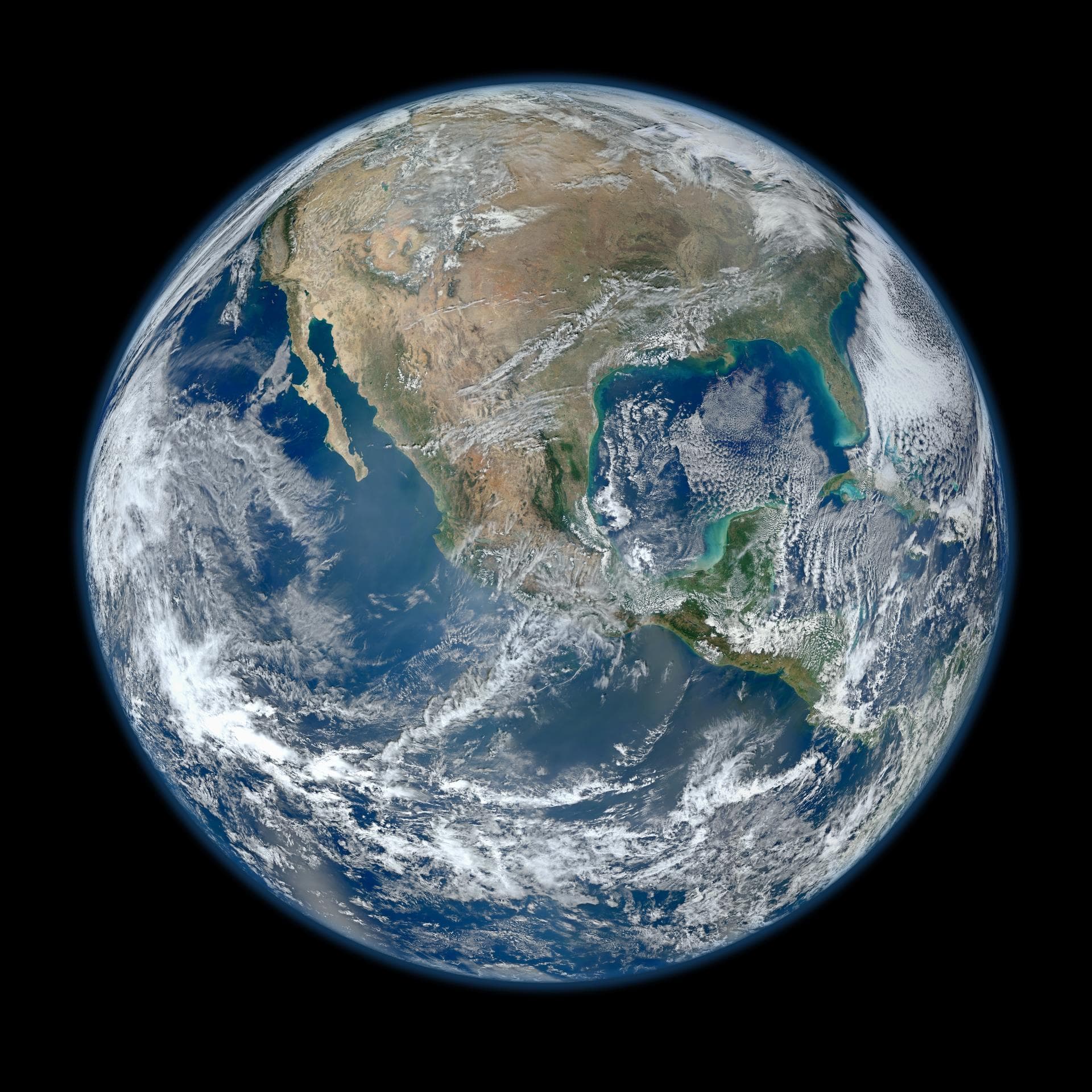 Terrestrial planetData updated 2026-07-29EarthRocky planet with surface oceansOur measured home world, shaped by liquid water, moving rock, an active atmosphere and life.Mean radius 6,371 kmReference gravity 9.8 m/s²
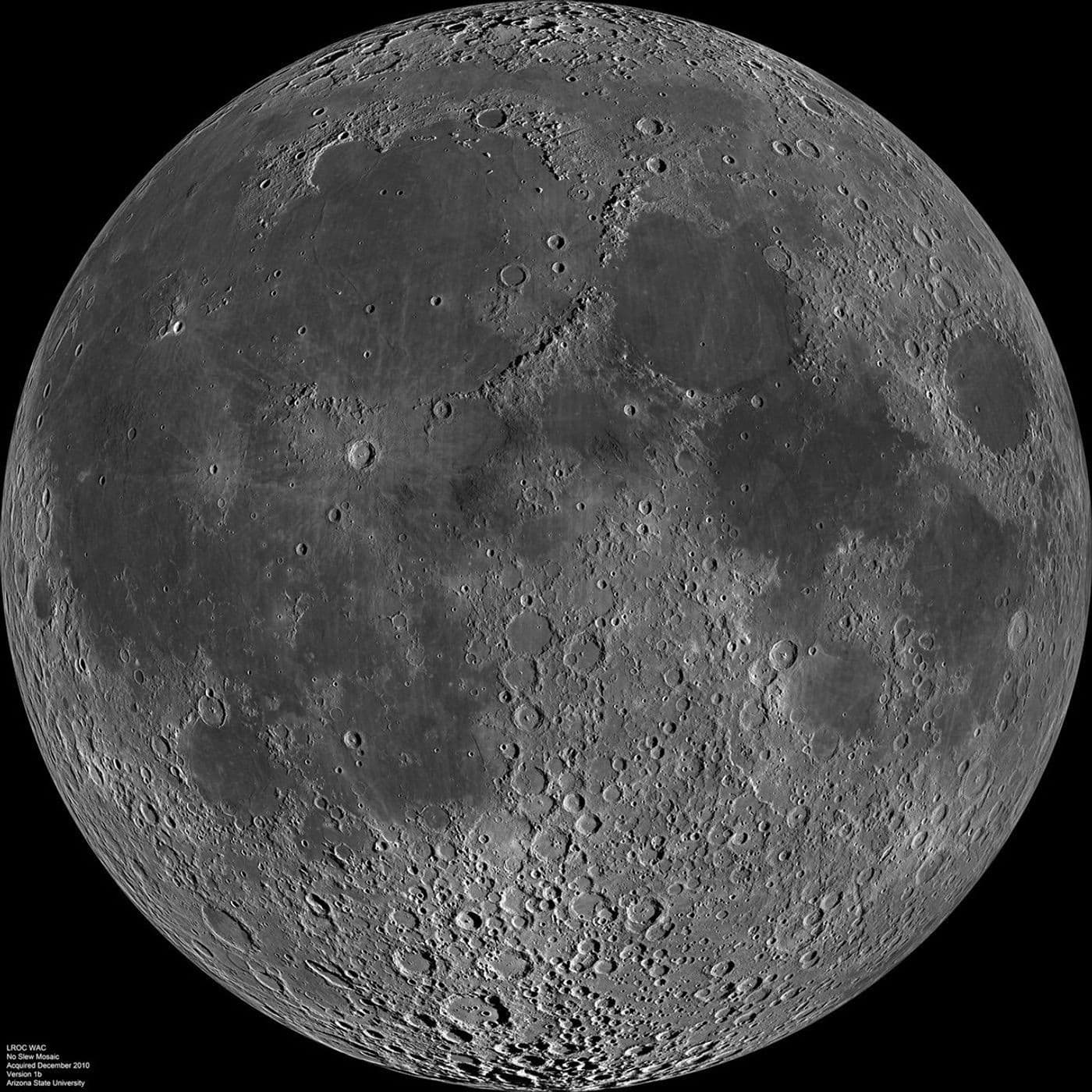 Natural satelliteData updated 2026-07-29MoonRocky natural satelliteEarth's nearest celestial neighbour, preserving a long record of impacts, volcanism and the early Solar System.Mean radius 1,737.4 kmReference gravity 1.62 m/s²
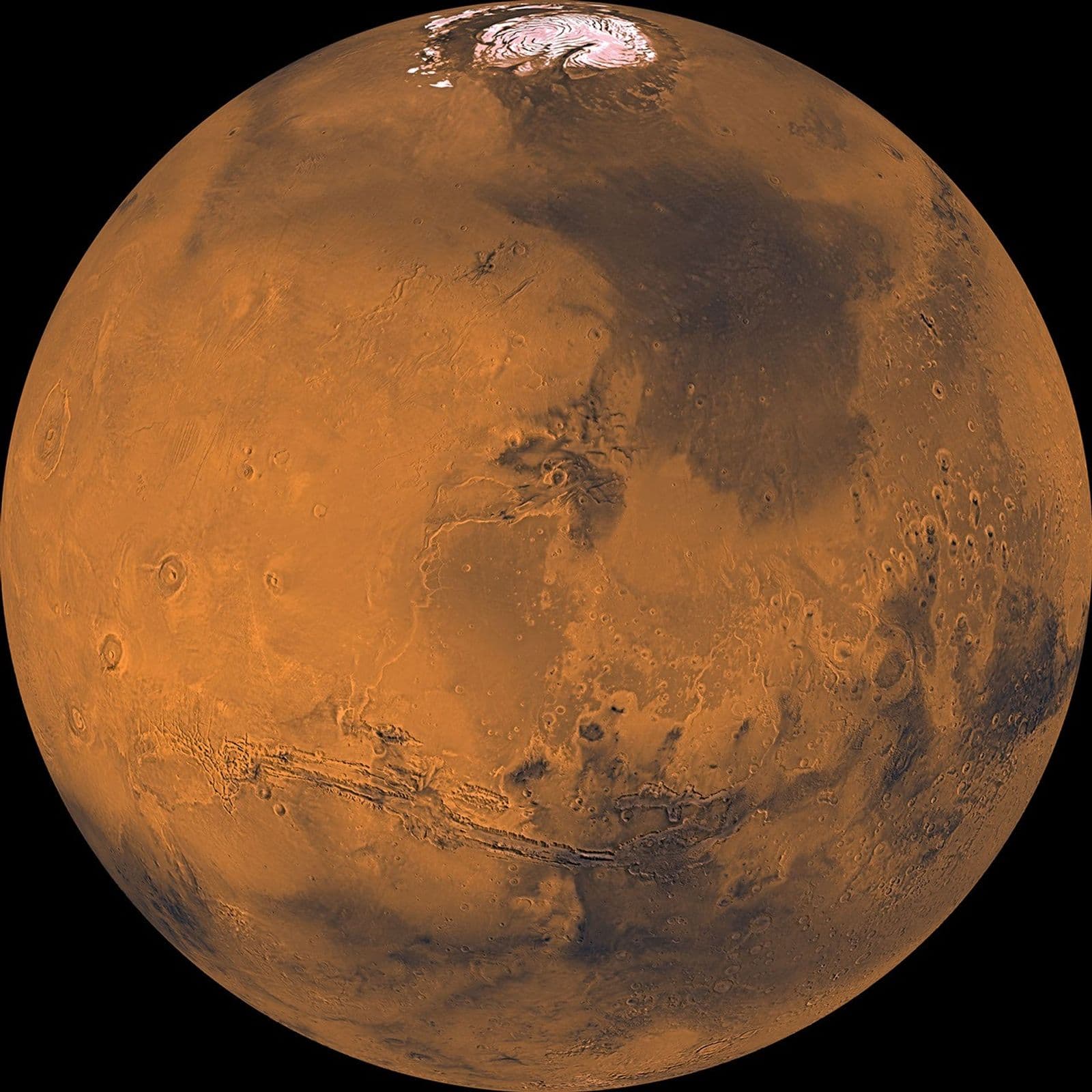 Terrestrial planetData updated 2026-07-29MarsCold rocky planetA cold desert world whose rocks and landforms preserve evidence of a wetter, more active past.Mean radius 3,389.5 kmReference gravity 3.71 m/s²
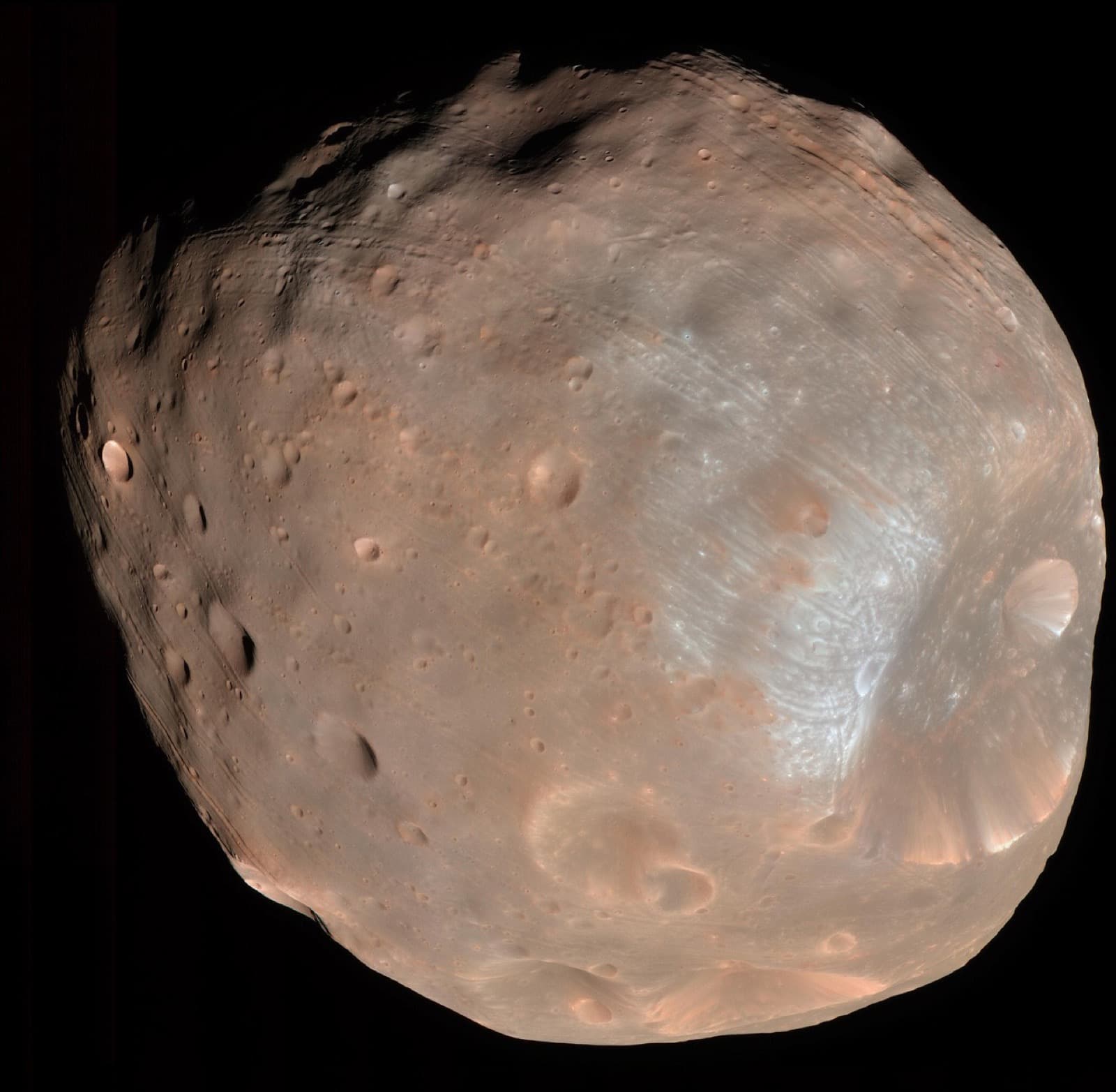 Natural satelliteData updated 2026-07-31PhobosIrregular natural satellite of MarsA battered, inward-spiraling moon that may someday break into a ring or strike Mars.Mean radius 11.1 kmReference gravity 0.005773 m/s²
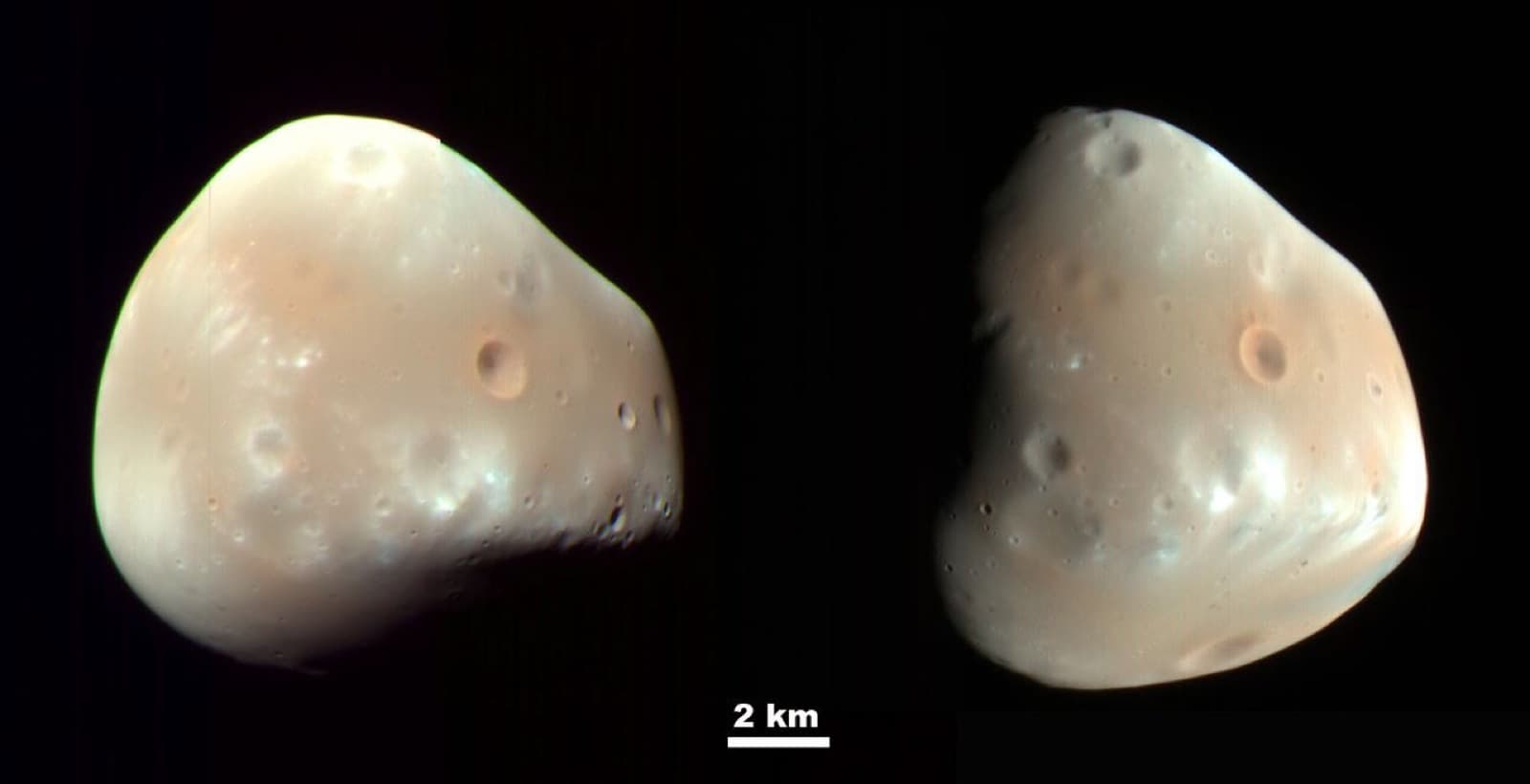 Natural satelliteData updated 2026-07-31DeimosOuter irregular natural satellite of MarsMars's smaller, smoother-looking moon, with craters partly softened by a thick blanket of loose debris.Mean radius 6.2 kmReference gravity 0.002503 m/s²
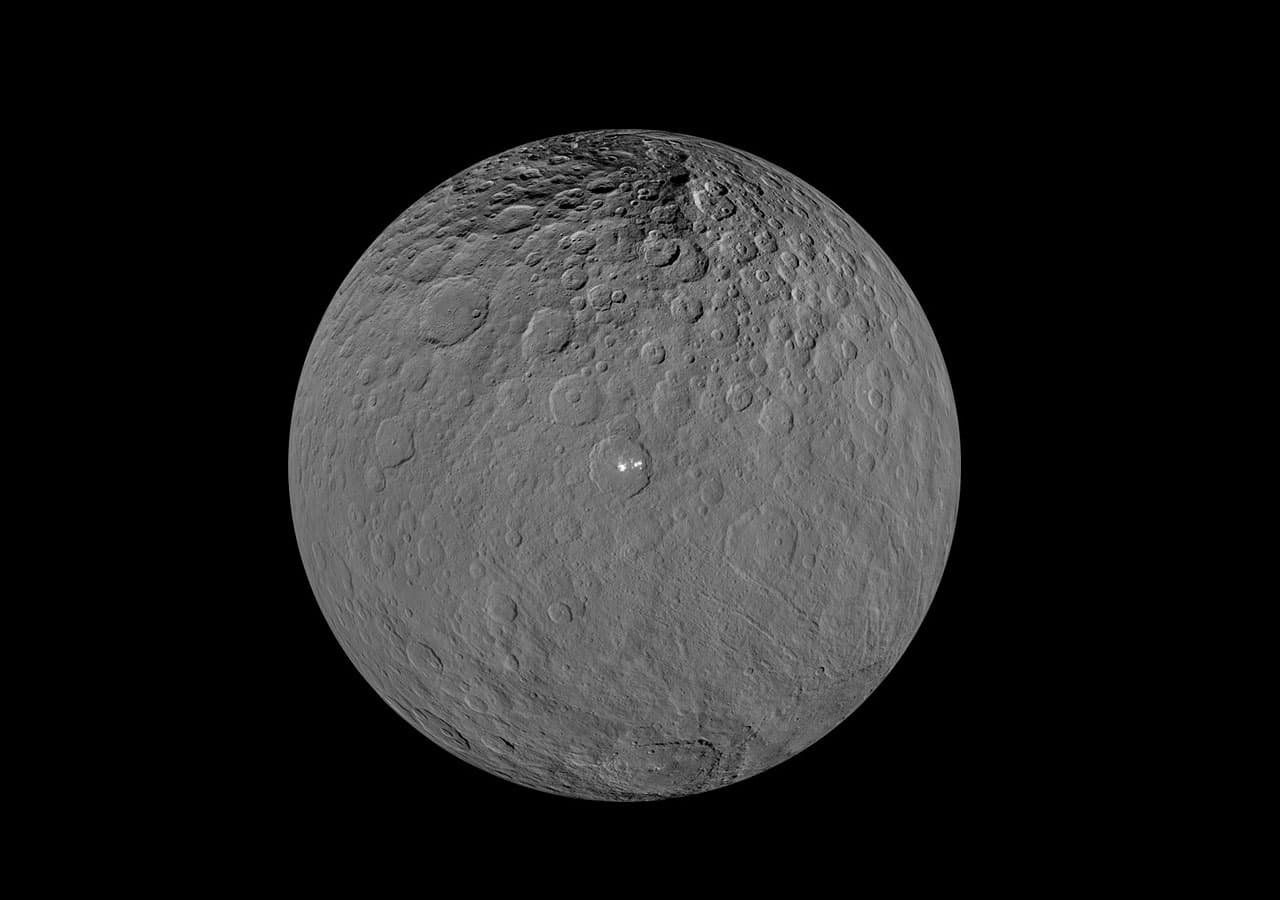 Dwarf planetData updated 2026-07-31CeresDwarf planet · Main asteroid beltA water-rich dwarf planet whose bright salts record activity inside an ancient small world.Mean radius 469.7 kmReference gravity 0.27 m/s²
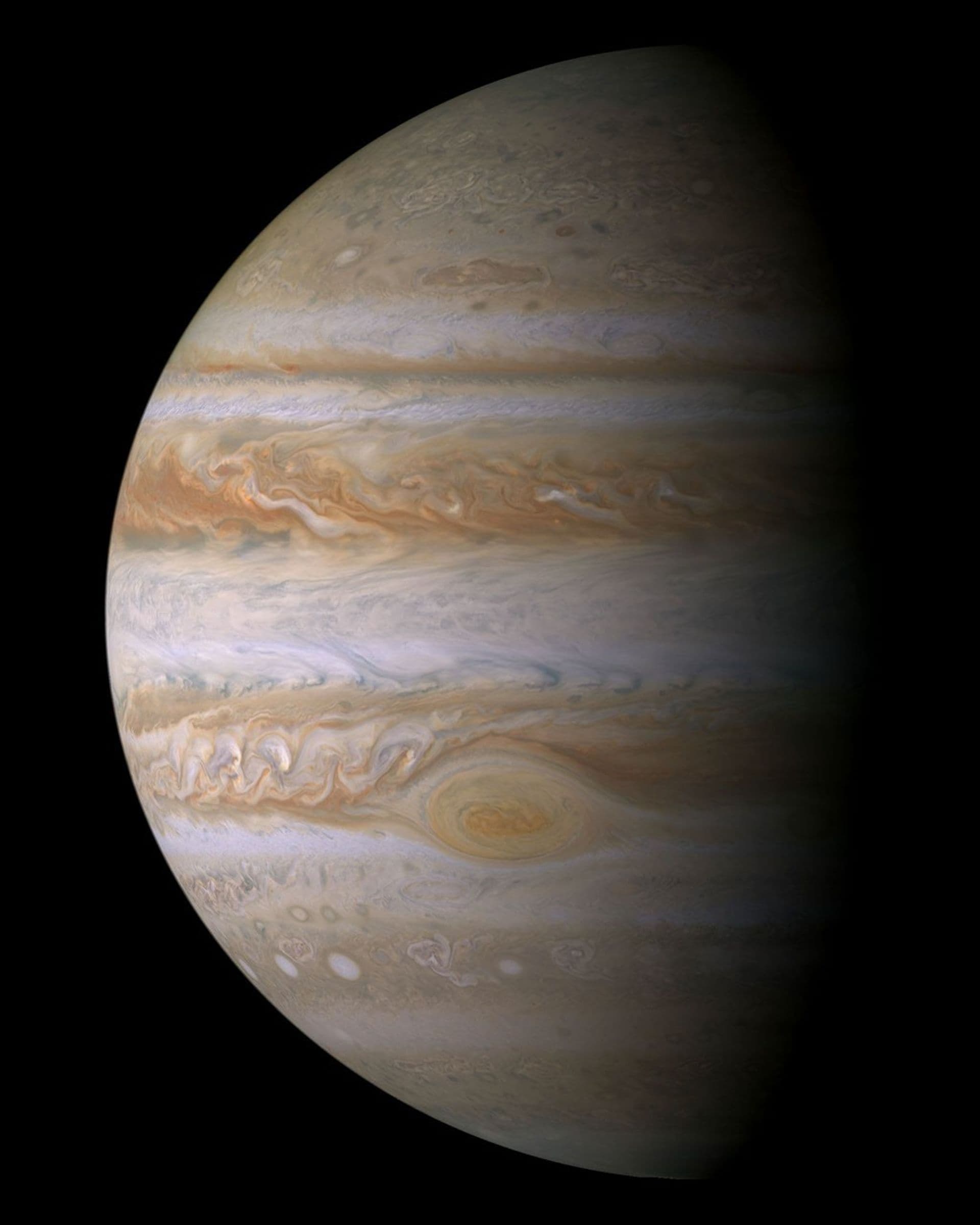 Gas giantData updated 2026-07-29JupiterHydrogen-rich gas giantThe Solar System's largest planet, a rapidly rotating world of deep fluid layers, powerful weather and intense gravity.Mean radius 69,911 kmReference gravity 24.79 m/s²
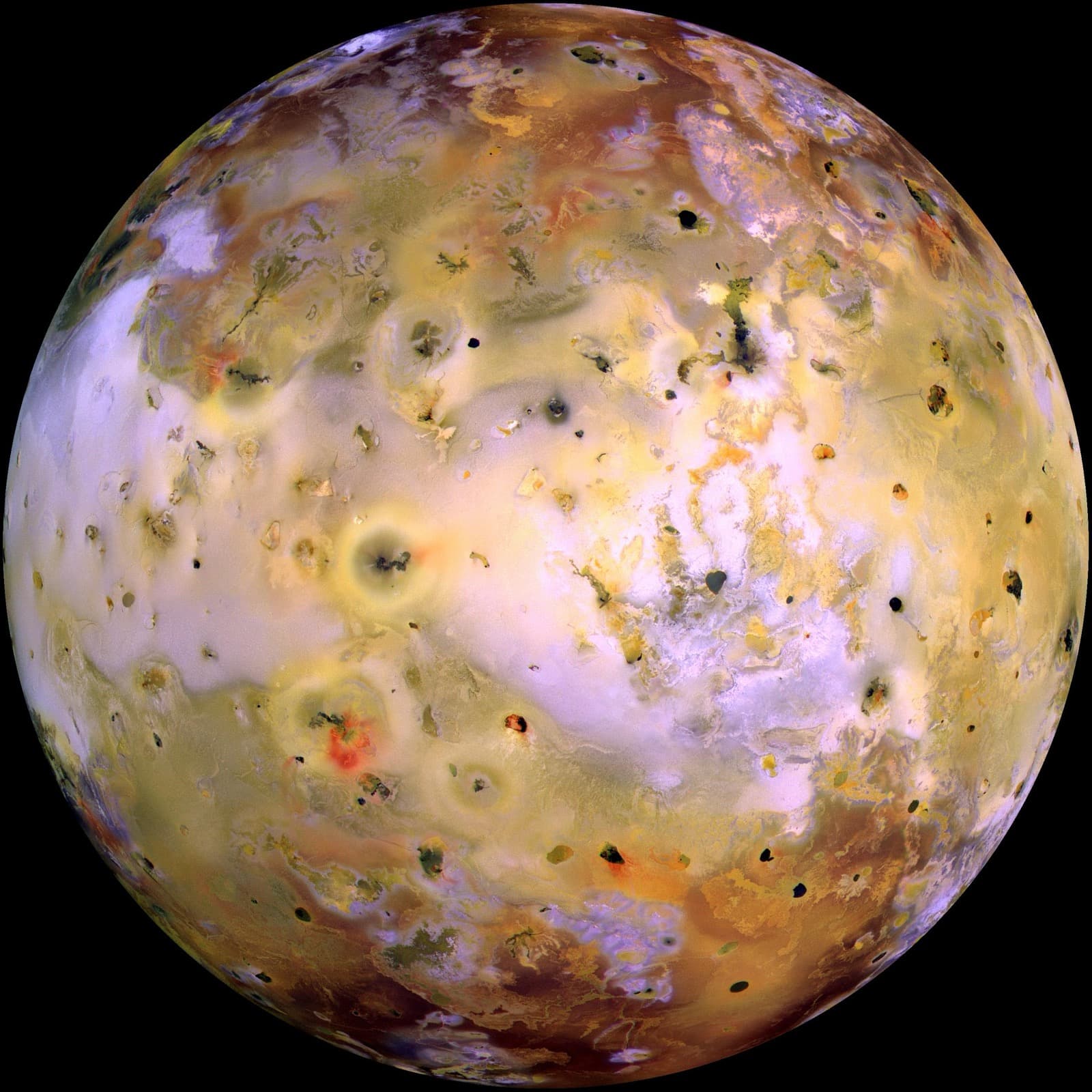 Natural satelliteData updated 2026-07-31IoVolcanic Galilean moonJupiter's innermost Galilean moon and the most volcanically active world known.Mean radius 1,821.5 kmReference gravity 1.796 m/s²
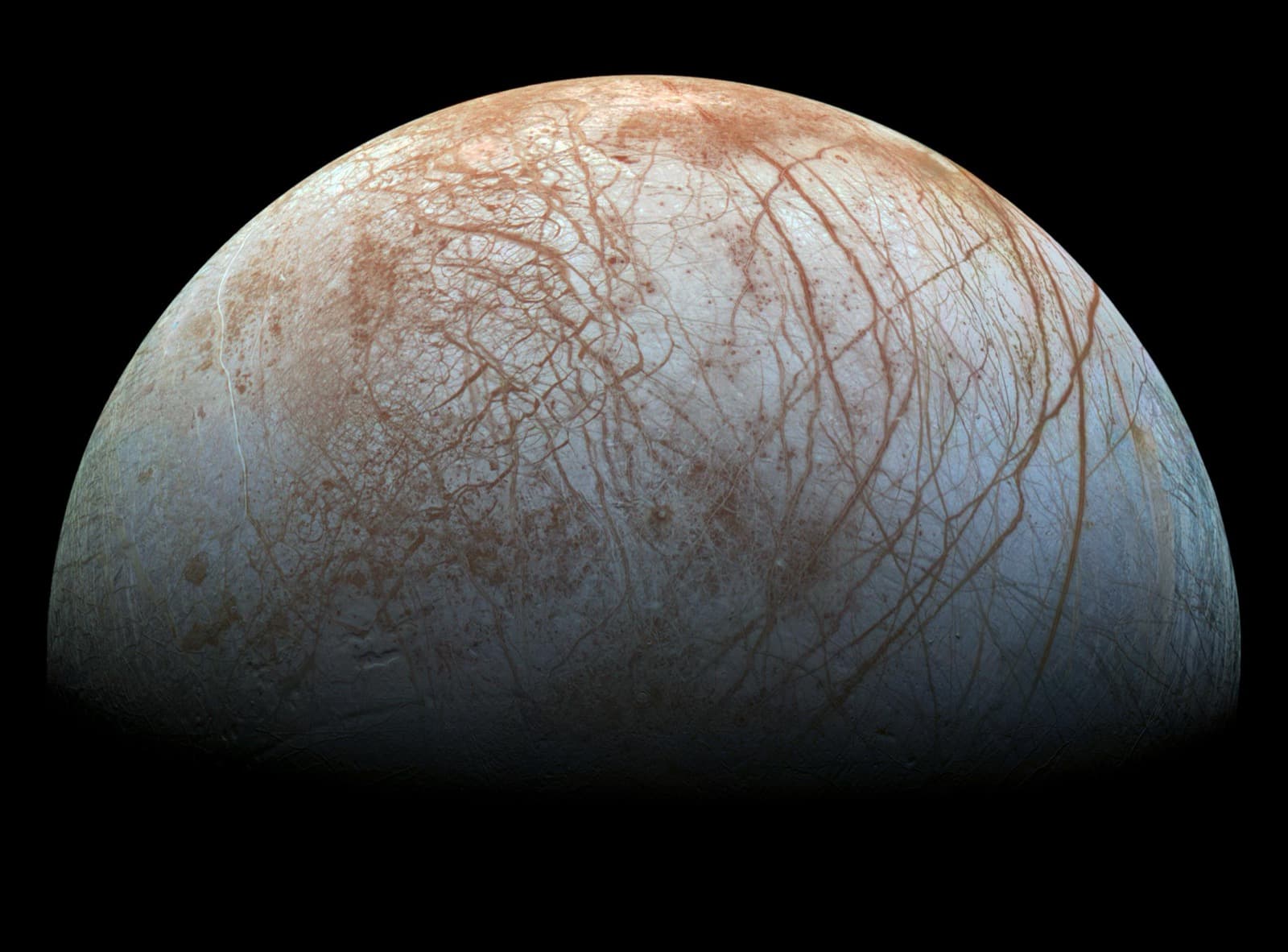 Natural satelliteData updated 2026-07-31EuropaIcy Galilean ocean-world candidateA bright, fractured ice world with strong evidence for a salty ocean hidden below.Mean radius 1,560.8 kmReference gravity 1.315 m/s²
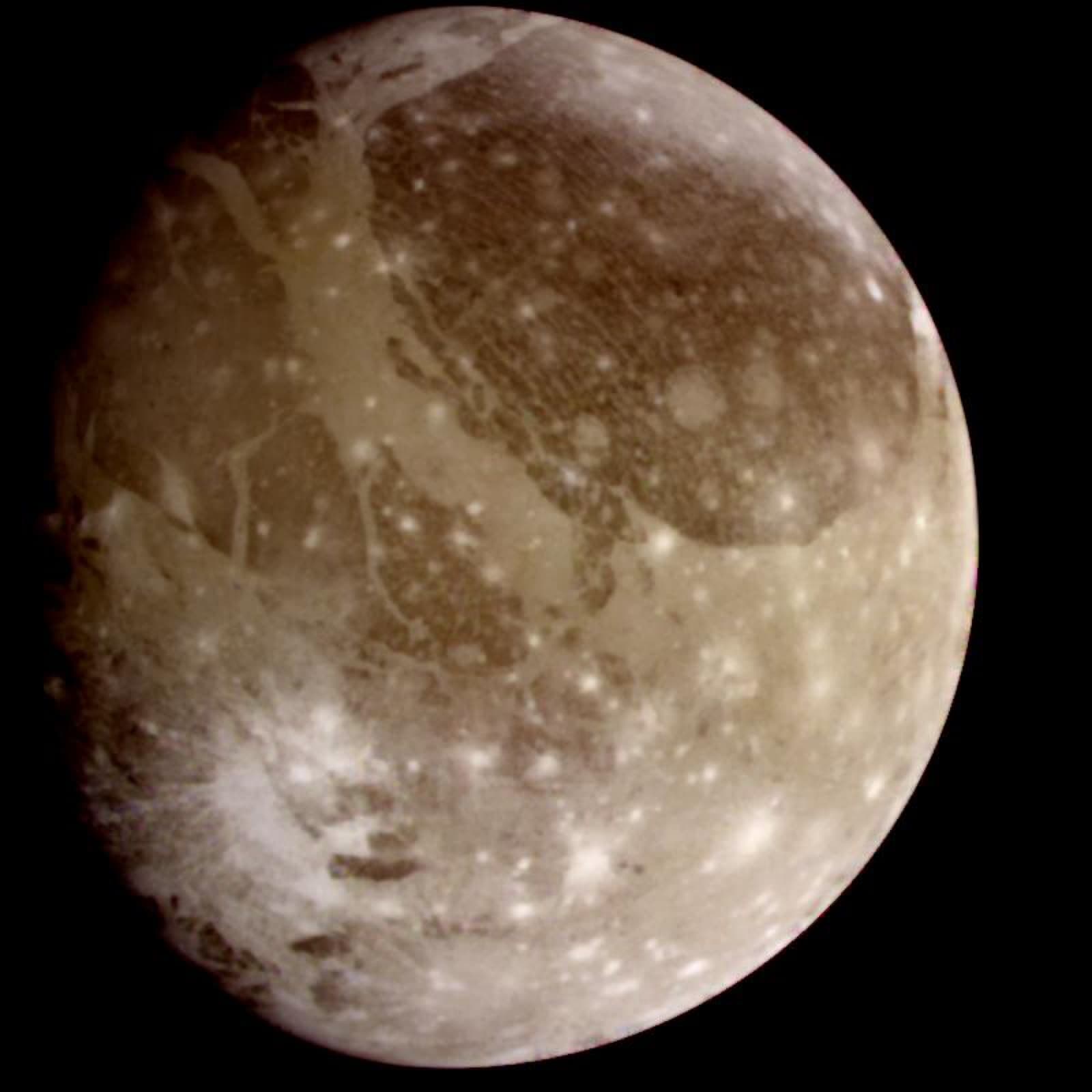 Natural satelliteData updated 2026-07-31GanymedeLargest moon and magnetic ocean-world candidateThe Solar System's largest moon, with its own internally generated magnetic field and evidence for deep water layers.Mean radius 2,631.2 kmReference gravity 1.428 m/s²
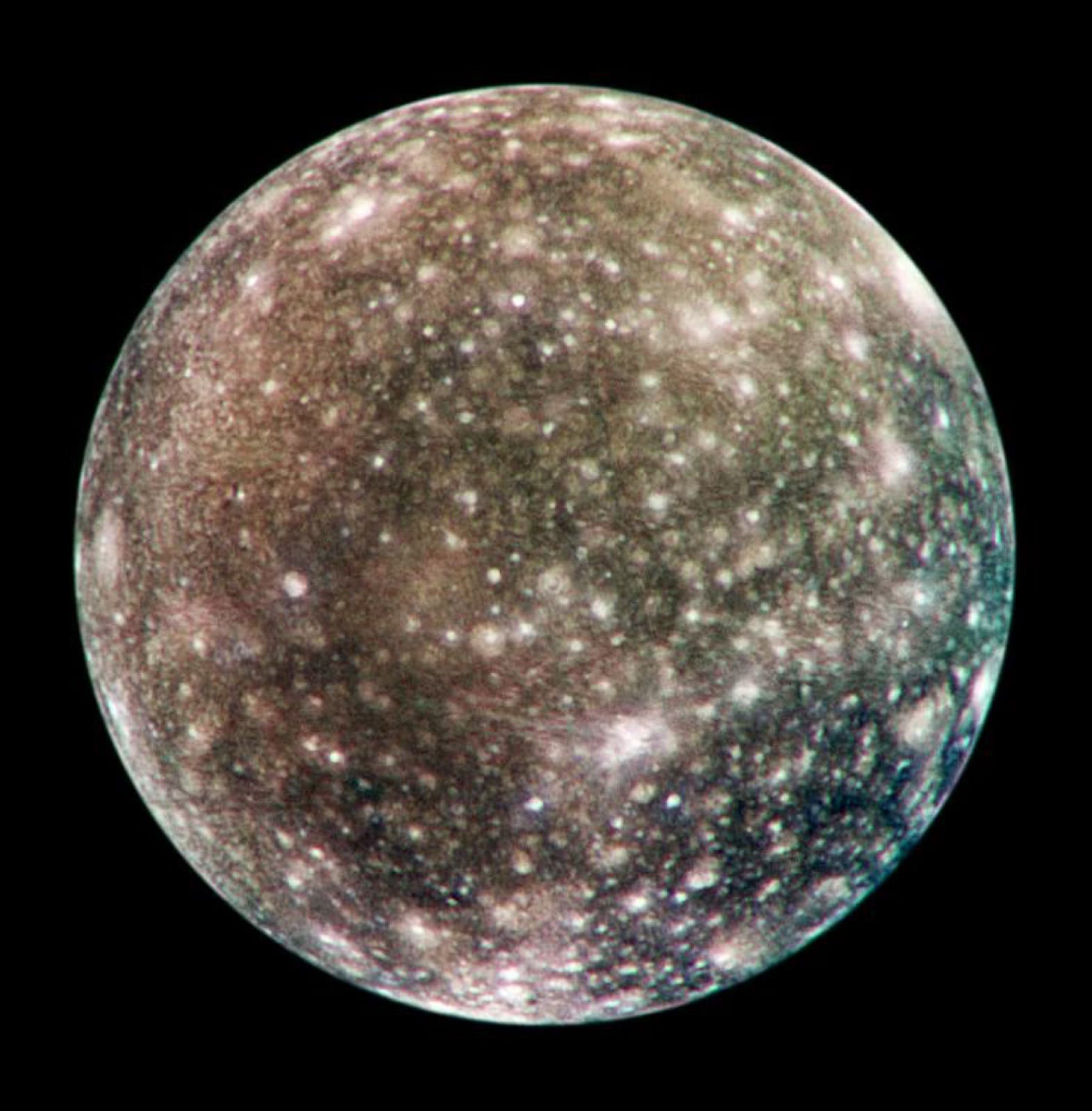 Natural satelliteData updated 2026-07-31CallistoAncient cratered Galilean moonA vast, ancient impact archive whose quiet exterior may conceal a deep salty layer.Mean radius 2,410.3 kmReference gravity 1.236 m/s²
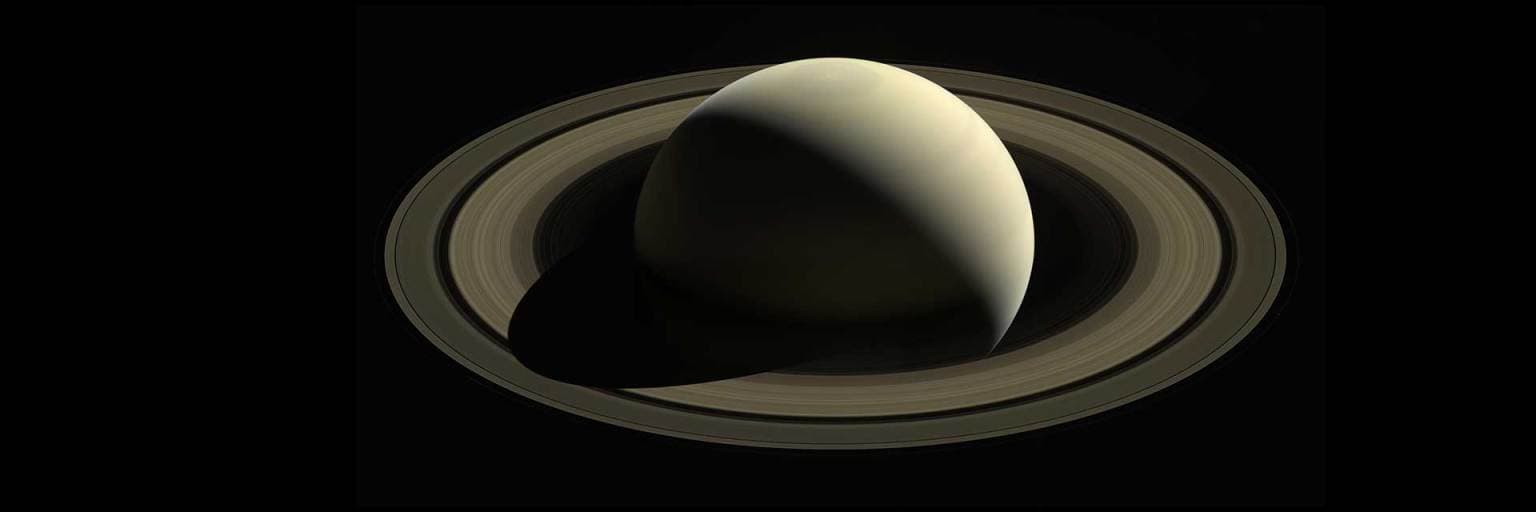 Gas giantData updated 2026-07-30SaturnHydrogen-rich gas giantA low-density giant wrapped in weather and a broad system of icy rings, with no solid surface beneath its visible clouds.Mean radius 58,232 kmReference gravity 10.44 m/s²
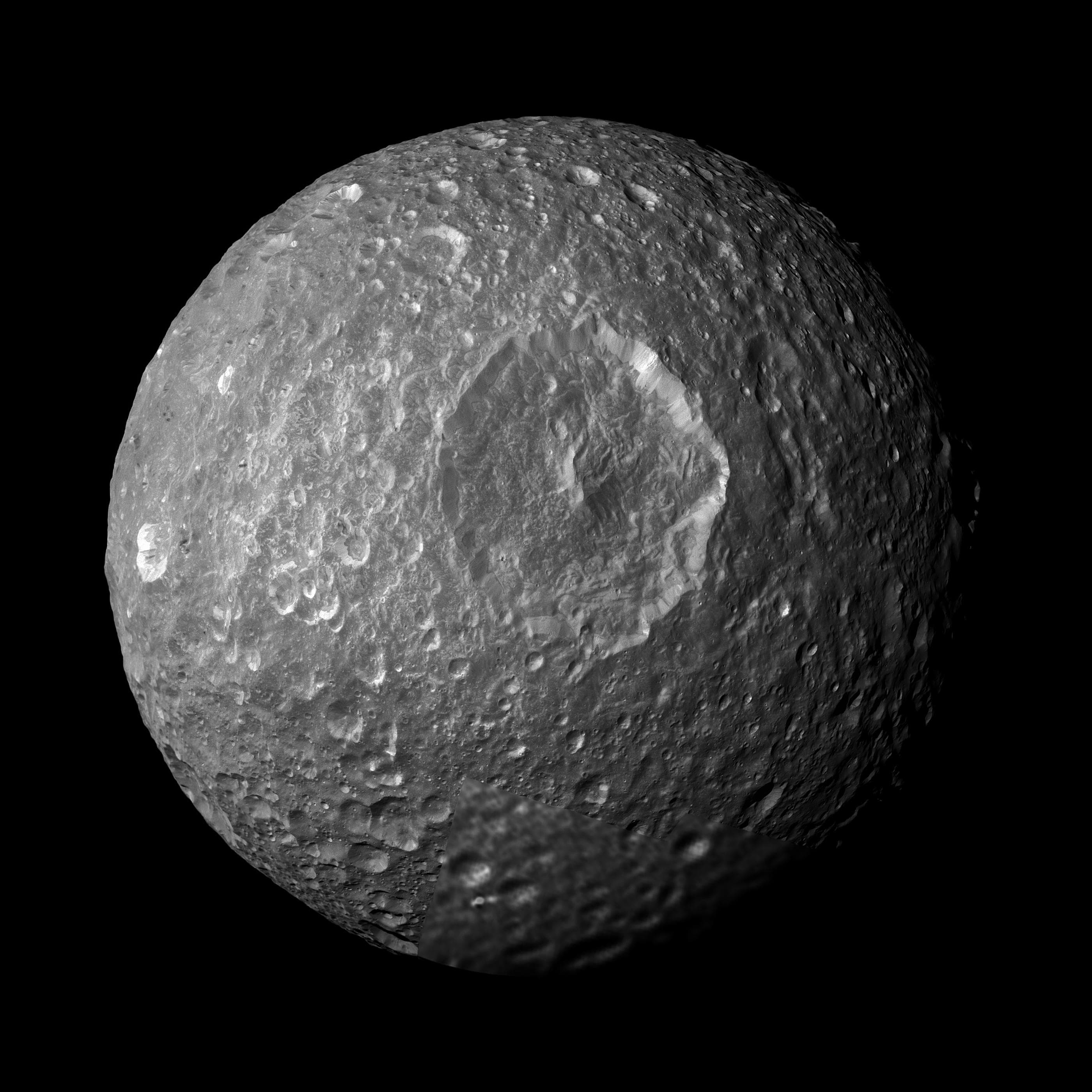 Natural satelliteData updated 2026-07-31MimasSmall cratered major moon of SaturnA scarred ice-rich moon dominated by Herschel crater, with a possible young ocean hidden beneath an outwardly quiet shell.Mean radius 198.2 kmReference gravity 0.06373 m/s²
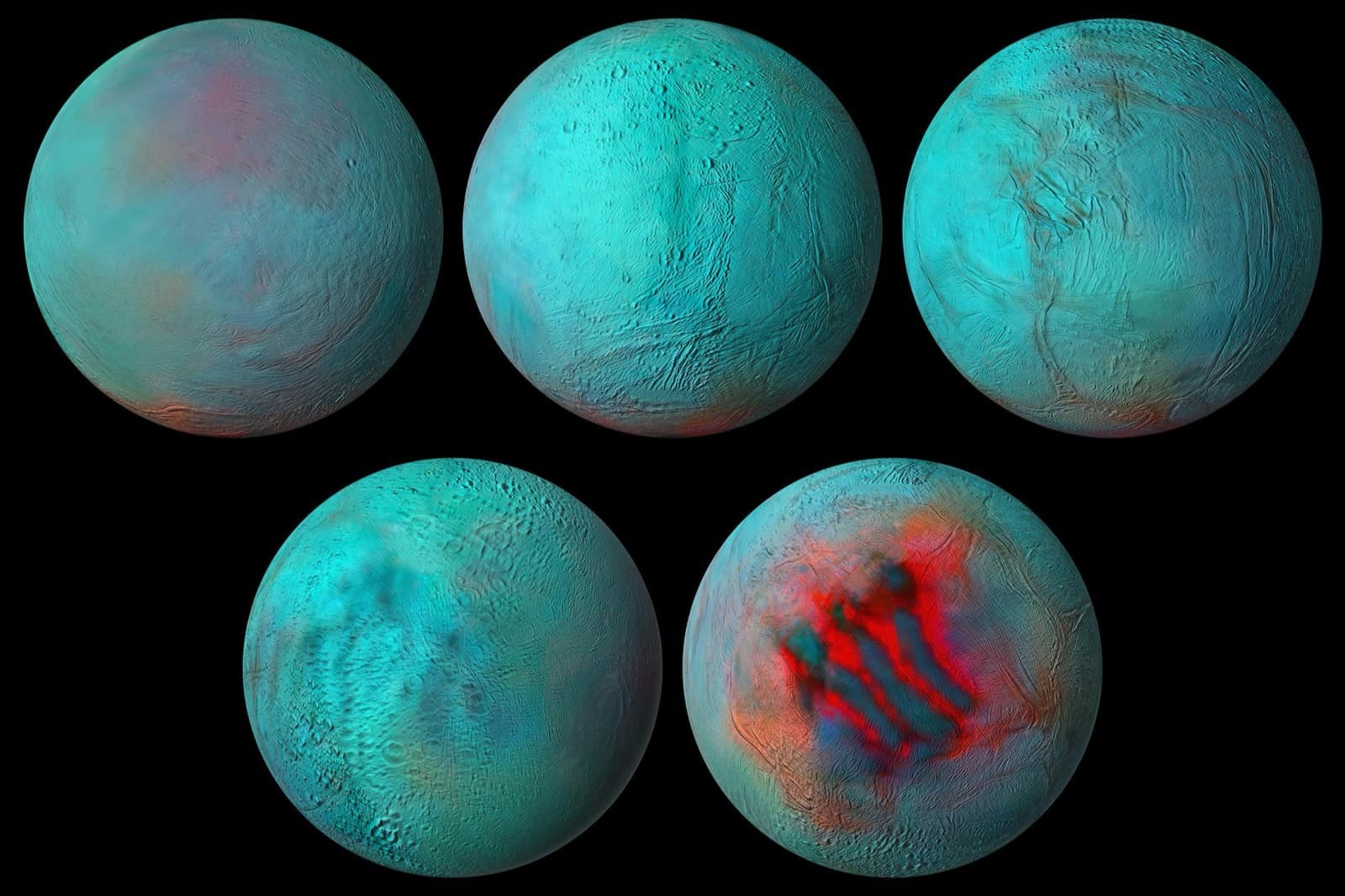 Natural satelliteData updated 2026-07-31EnceladusActive icy ocean moonA small bright moon that vents water-rich material from a global ocean into space.Mean radius 252.1 kmReference gravity 0.1135 m/s²
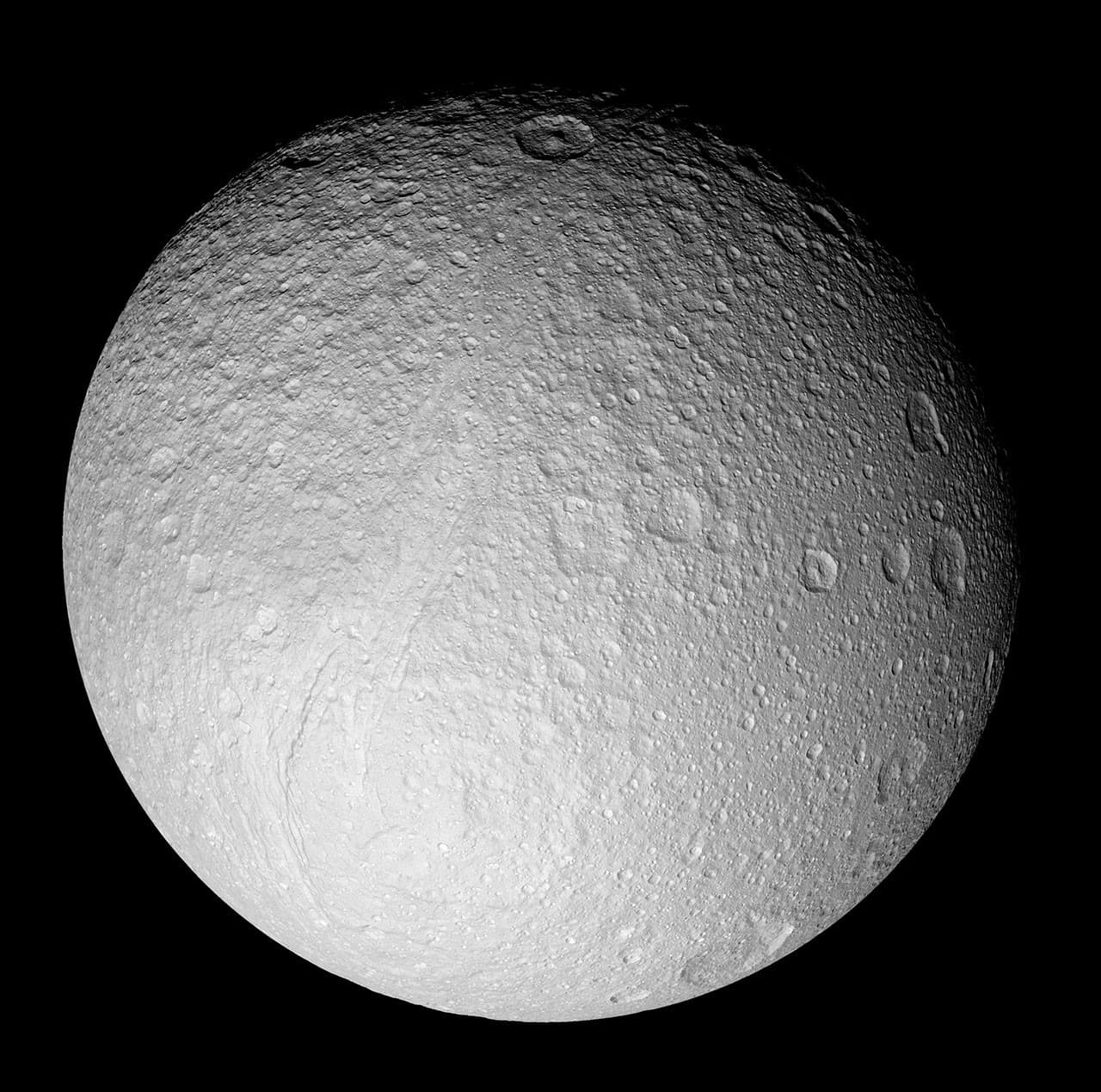 Natural satelliteData updated 2026-07-31TethysIce-rich moon split by a giant chasmA bright ice-rich moon carrying both the immense Odysseus impact basin and the globe-spanning Ithaca Chasma.Mean radius 531.1 kmReference gravity 0.1461 m/s²
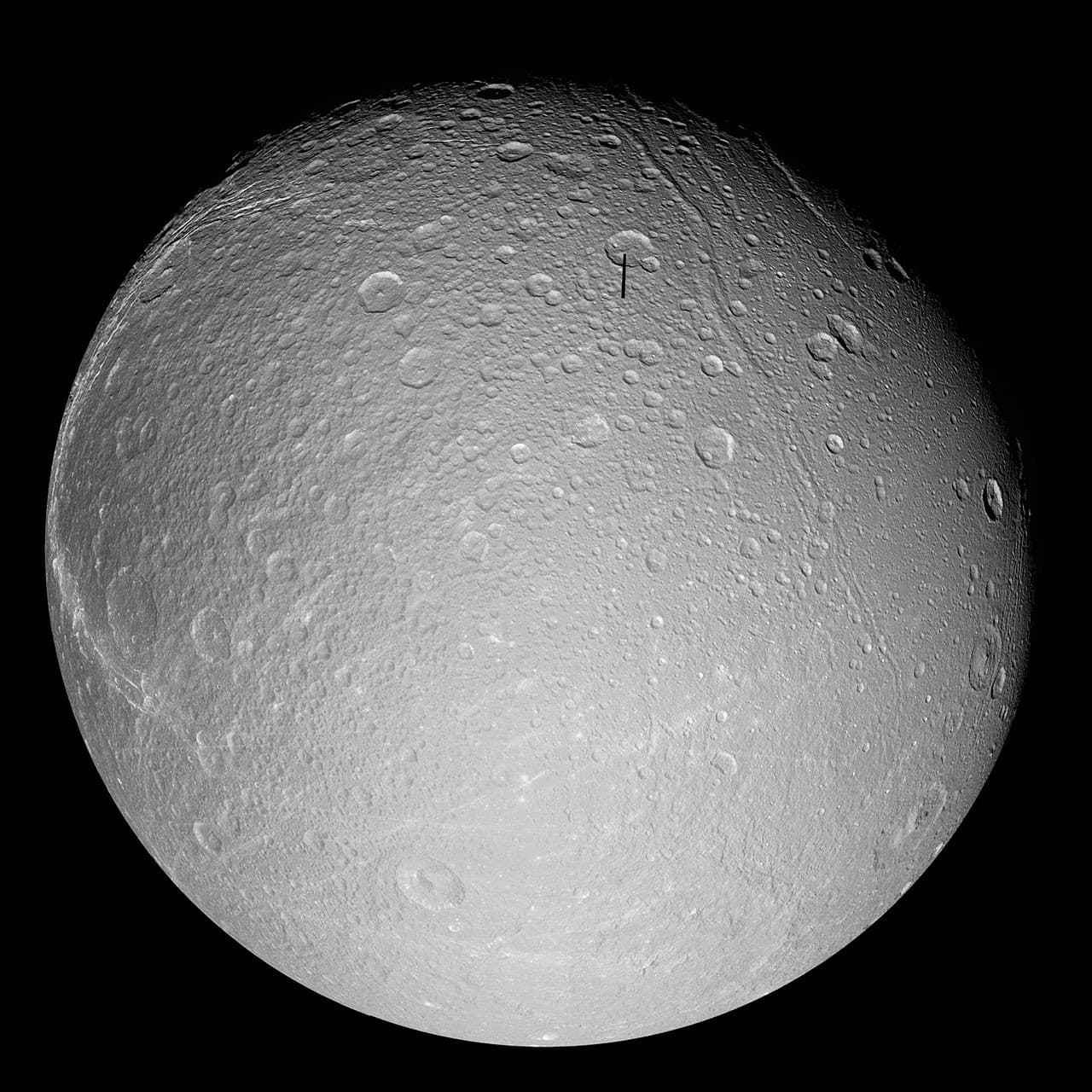 Natural satelliteData updated 2026-07-31DioneFractured icy moon of SaturnAn icy world where Cassini turned mysterious bright wisps into a readable network of tectonic cliffs and canyons.Mean radius 561.4 kmReference gravity 0.232 m/s²
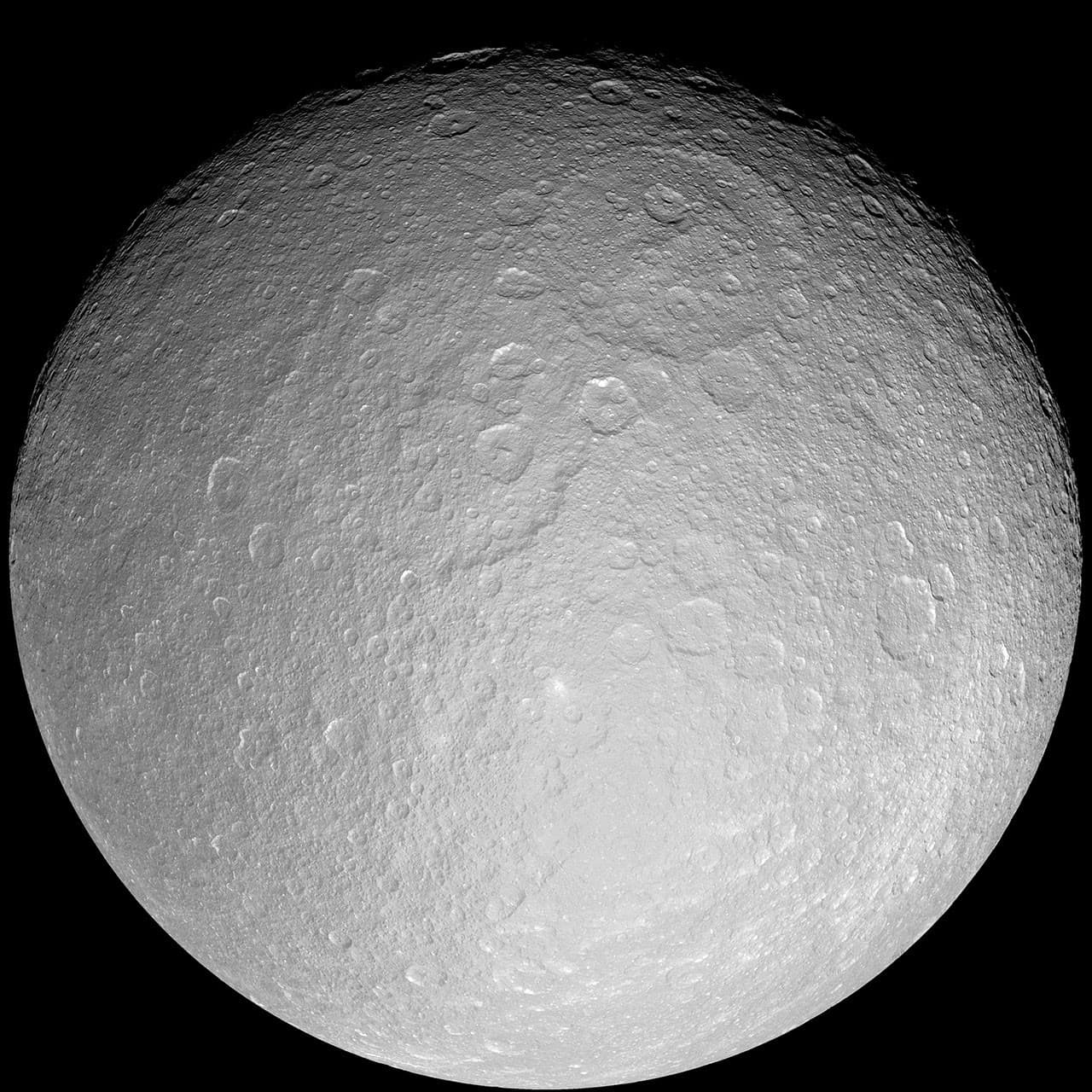 Natural satelliteData updated 2026-07-31RheaAncient icy second-largest moon of SaturnSaturn's second-largest moon, preserving an ancient crater archive and an oxygen-carbon-dioxide exosphere trillions of times thinner than Earth's air.Mean radius 763.5 kmReference gravity 0.2641 m/s²
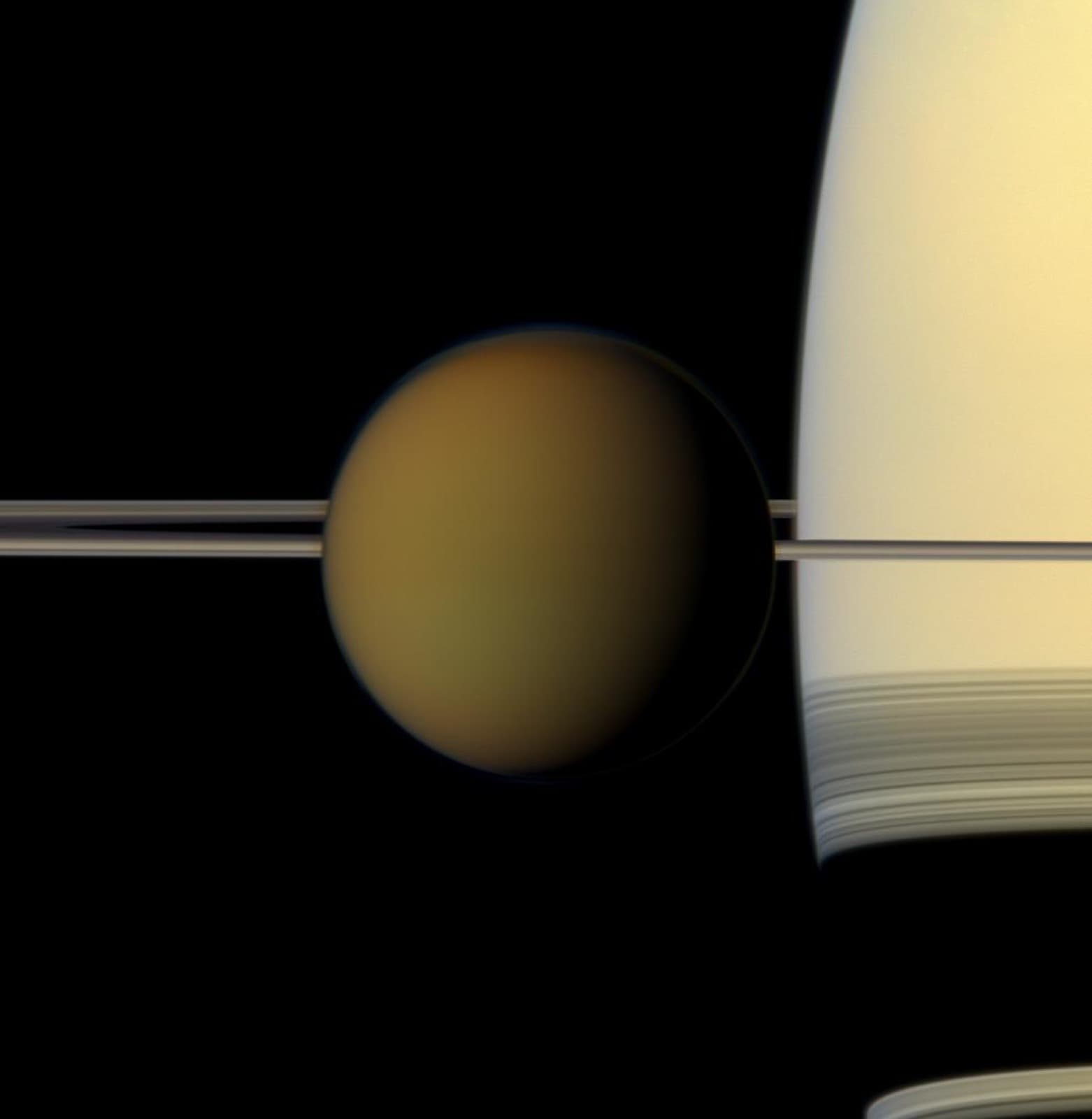 Natural satelliteData updated 2026-07-31TitanLarge moon with a nitrogen atmosphere and hydrocarbon seasA hazy world with weather, dunes, rivers and seas made of hydrocarbons, plus an inferred water ocean below.Mean radius 2,574.8 kmReference gravity 1.354 m/s²
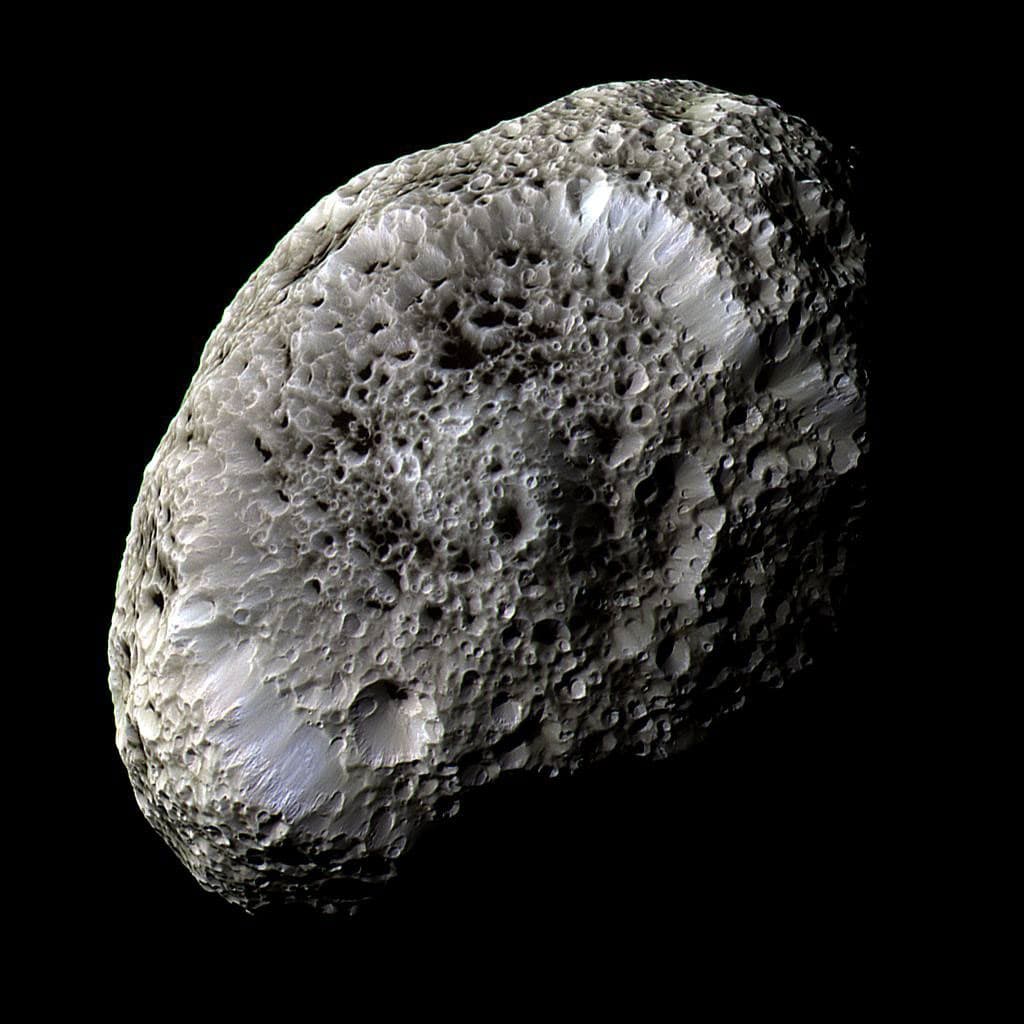 Natural satelliteData updated 2026-07-31HyperionChaotically tumbling porous moon of SaturnA sponge-looking rubble pile whose orbit with Titan helps drive an unpredictable tumble.Mean radius 135 kmReference gravity 0.02033 m/s²
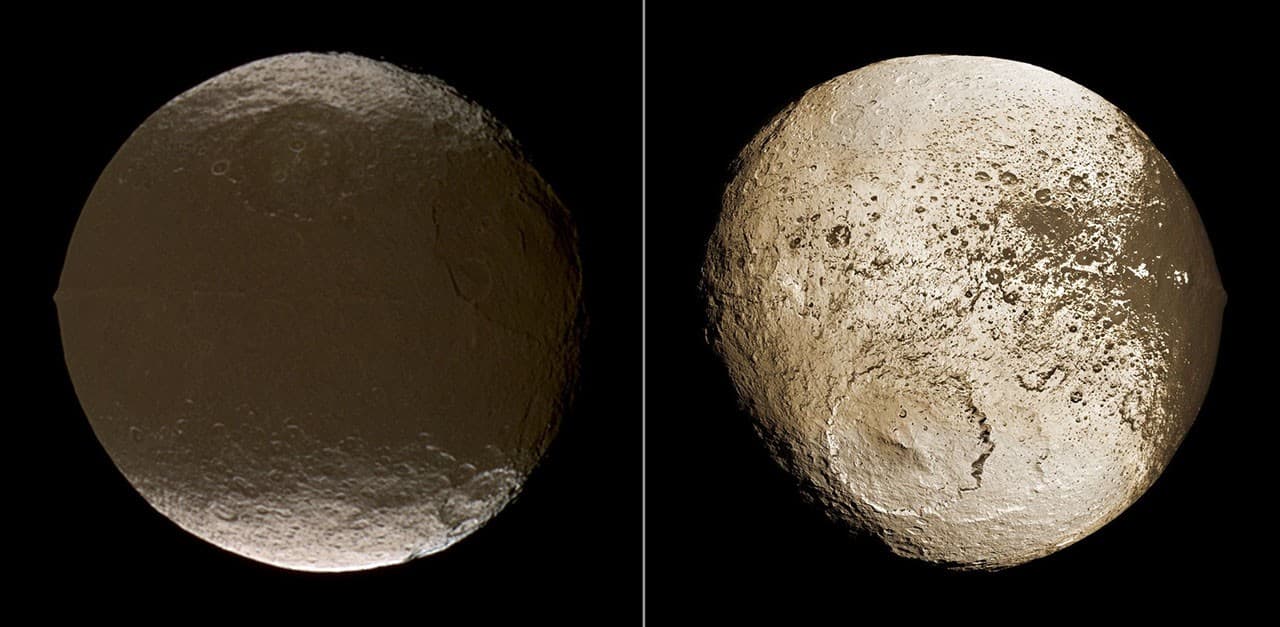 Natural satelliteData updated 2026-07-31IapetusTwo-tone outer major moon of SaturnA yin-yang moon whose charcoal-dark and snow-bright hemispheres are crossed by a mountain ridge around the equator.Mean radius 734.3 kmReference gravity 0.2235 m/s²
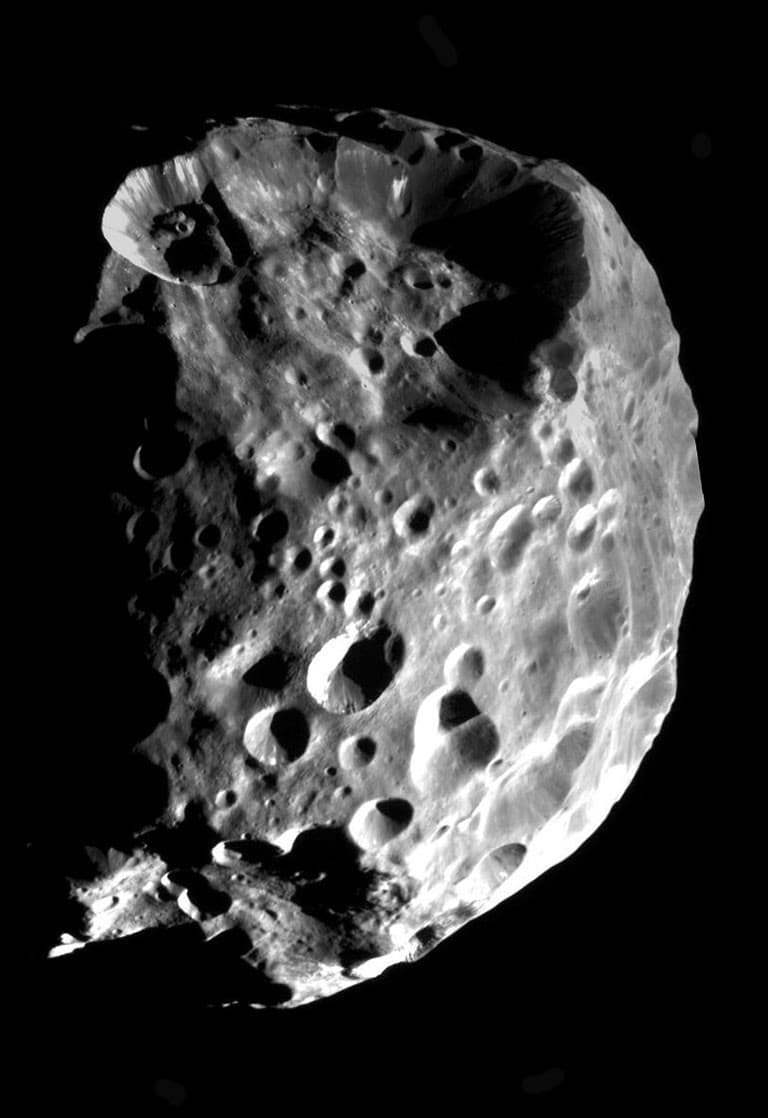 Natural satelliteData updated 2026-07-31PhoebeDistant retrograde irregular moon of SaturnA dark, cratered moon travelling backward around Saturn—strong evidence that it was captured from elsewhere.Mean radius 106.5 kmReference gravity 0.04891 m/s²
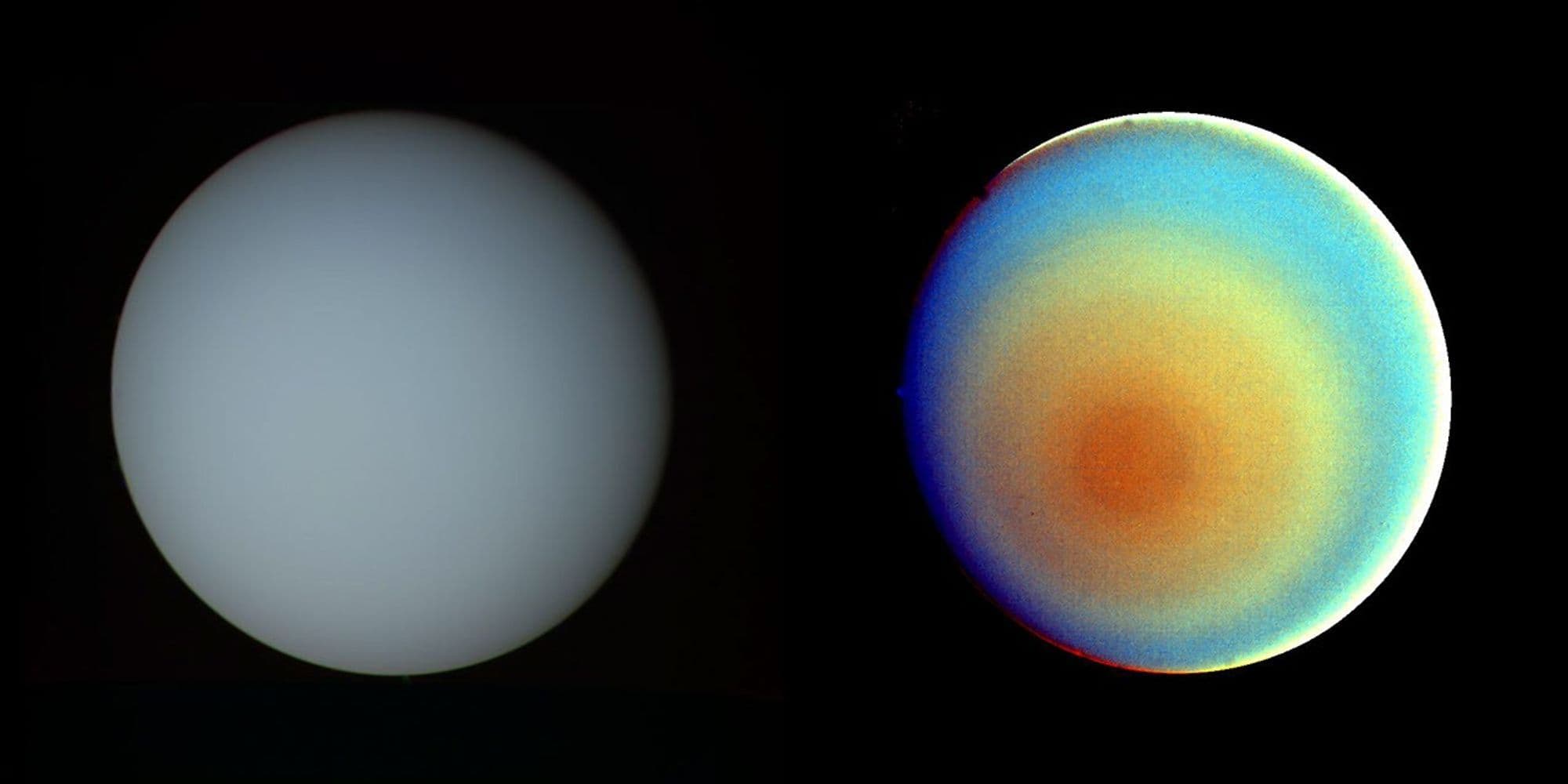 Ice giantData updated 2026-07-30UranusIce giantA cold blue-green giant rotating almost on its side, with faint rings, long seasons and a deep interior known mostly through models.Mean radius 25,362 kmReference gravity 8.87 m/s²
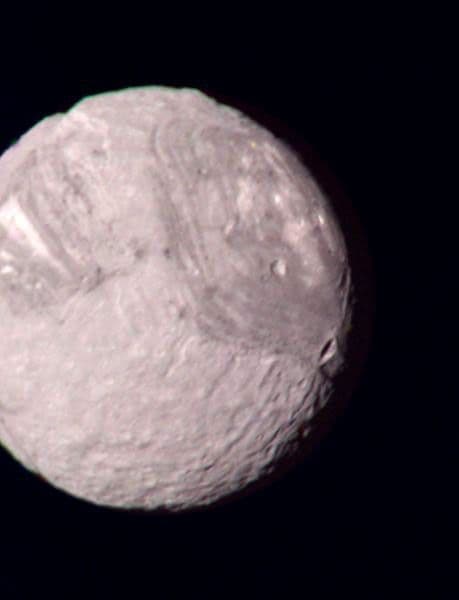 Natural satelliteData updated 2026-07-31MirandaSmall fractured major moon of UranusThe smallest major Uranian moon, where giant cliffs, grooves and oval coronae divide terrain of different ages.Mean radius 235.8 kmReference gravity 0.07734 m/s²
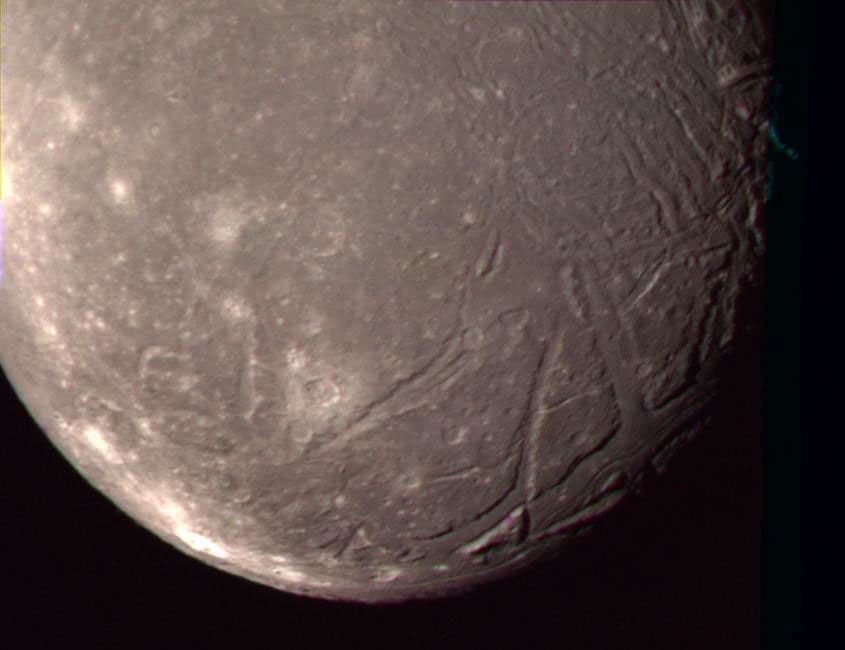 Natural satelliteData updated 2026-07-31ArielBright, geologically renewed major moon of UranusThe brightest major Uranian moon, crossed by fault valleys and younger deposits that record past internal activity.Mean radius 578.9 kmReference gravity 0.2492 m/s²
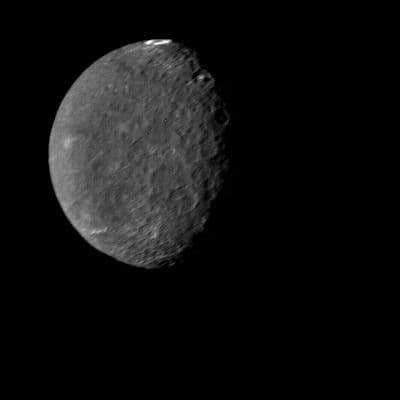 Natural satelliteData updated 2026-07-31UmbrielDark, ancient major moon of UranusThe darkest major Uranian moon, preserving an old cratered surface and a bright ring whose origin is still unknown.Mean radius 584.7 kmReference gravity 0.2489 m/s²
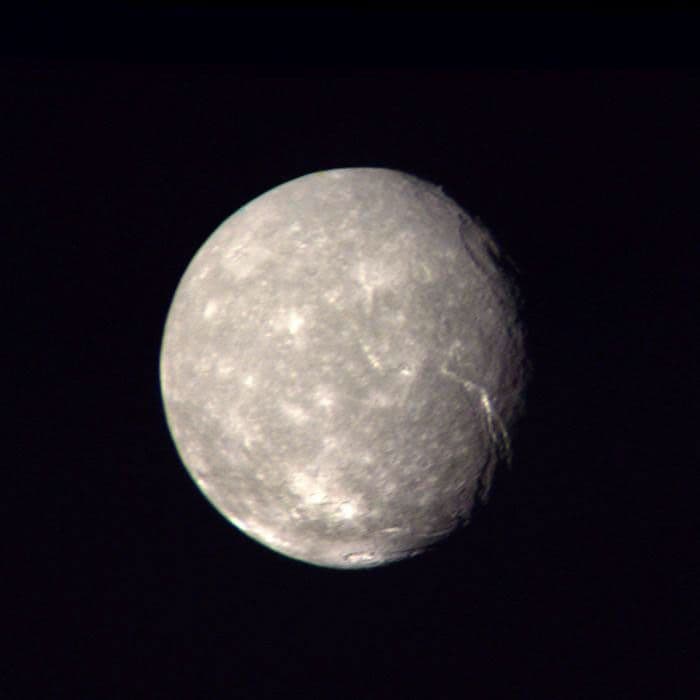 Natural satelliteData updated 2026-07-31TitaniaLargest moon of Uranus with a faulted ice crustUranus' largest moon, where enormous fault valleys show that the icy crust was stretched and broken.Mean radius 788.9 kmReference gravity 0.3646 m/s²
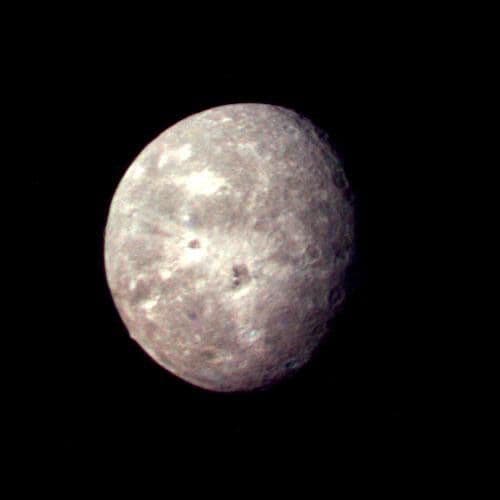 Natural satelliteData updated 2026-07-31OberonOuter, heavily cratered major moon of UranusThe outermost major Uranian moon, preserving old craters, dark crater floors and a mountain rising at the limb.Mean radius 761.4 kmReference gravity 0.3541 m/s²
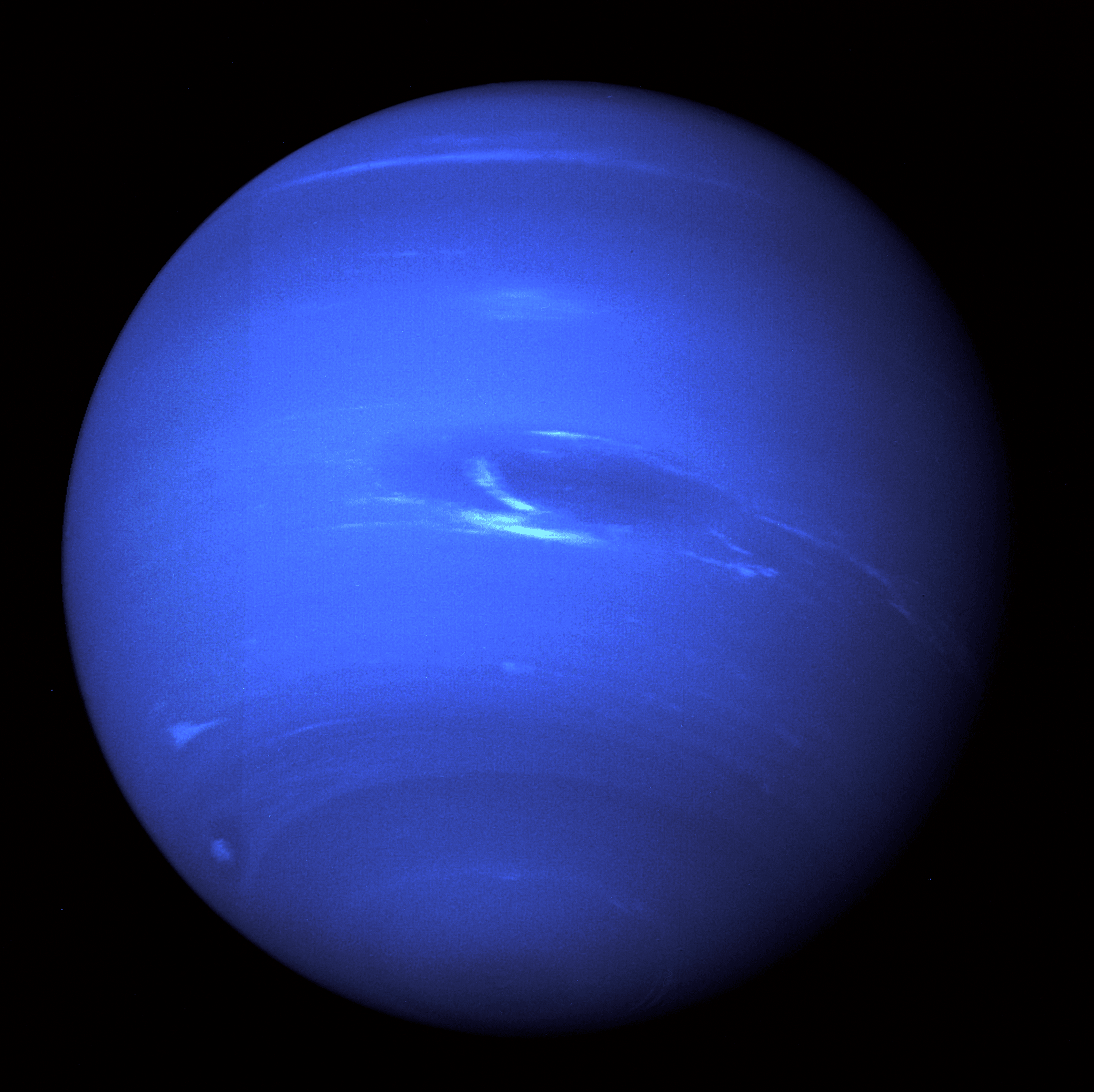 Ice giantData updated 2026-07-30NeptuneIce giantThe outermost major planet, a cold blue world with fast winds, changing storms and a warm hidden interior.Mean radius 24,622 kmReference gravity 11.15 m/s²
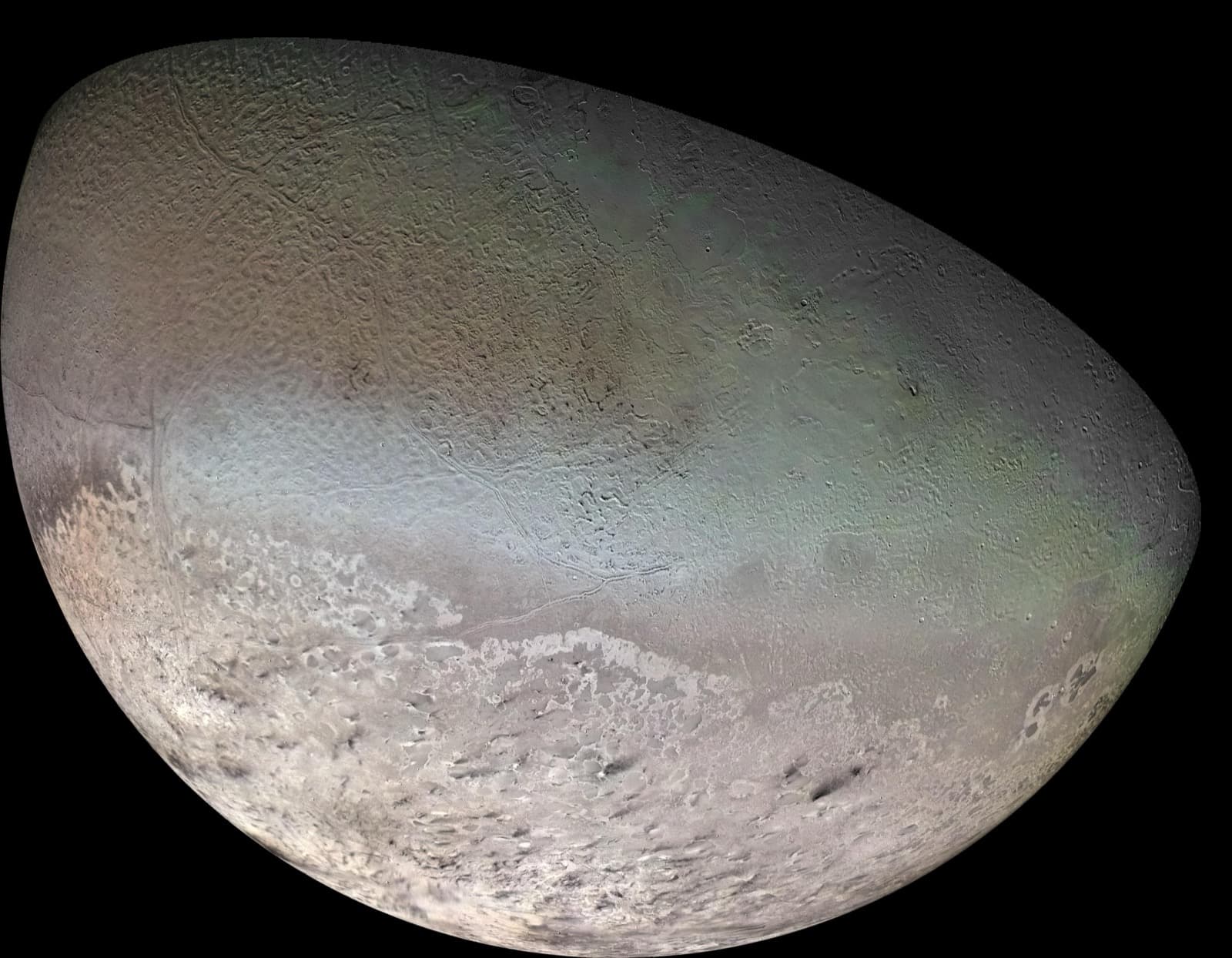 Natural satelliteData updated 2026-07-31TritonRetrograde captured ice worldNeptune's largest moon, orbiting backward with a young icy surface and observed nitrogen plumes.Mean radius 1,352.6 kmReference gravity 0.7808 m/s²
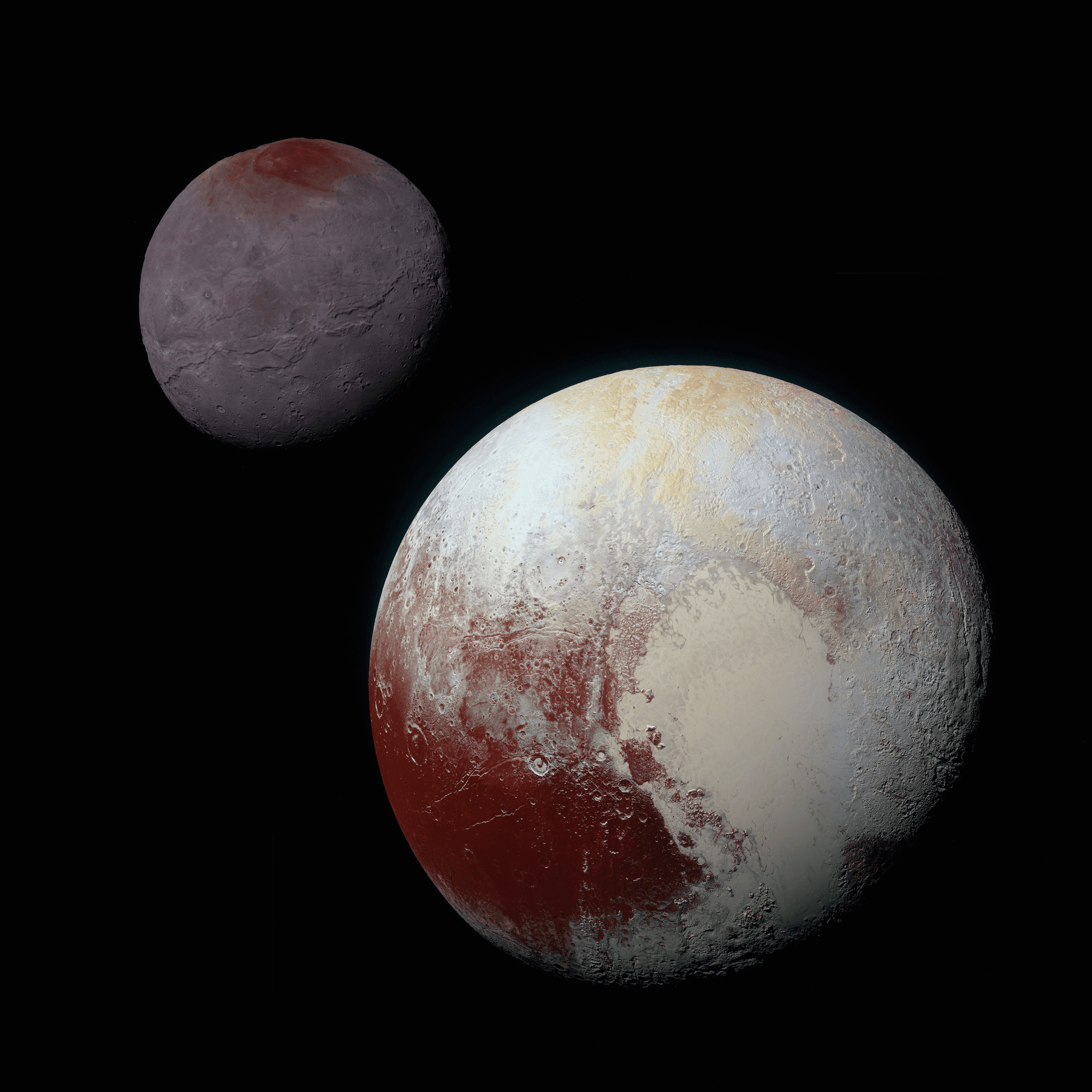 Dwarf planetData updated 2026-07-31PlutoDwarf planet · Kuiper BeltA geologically diverse ice world whose heart-shaped basin reshaped our idea of small planets.Mean radius 1,188.3 kmReference gravity 0.62 m/s²
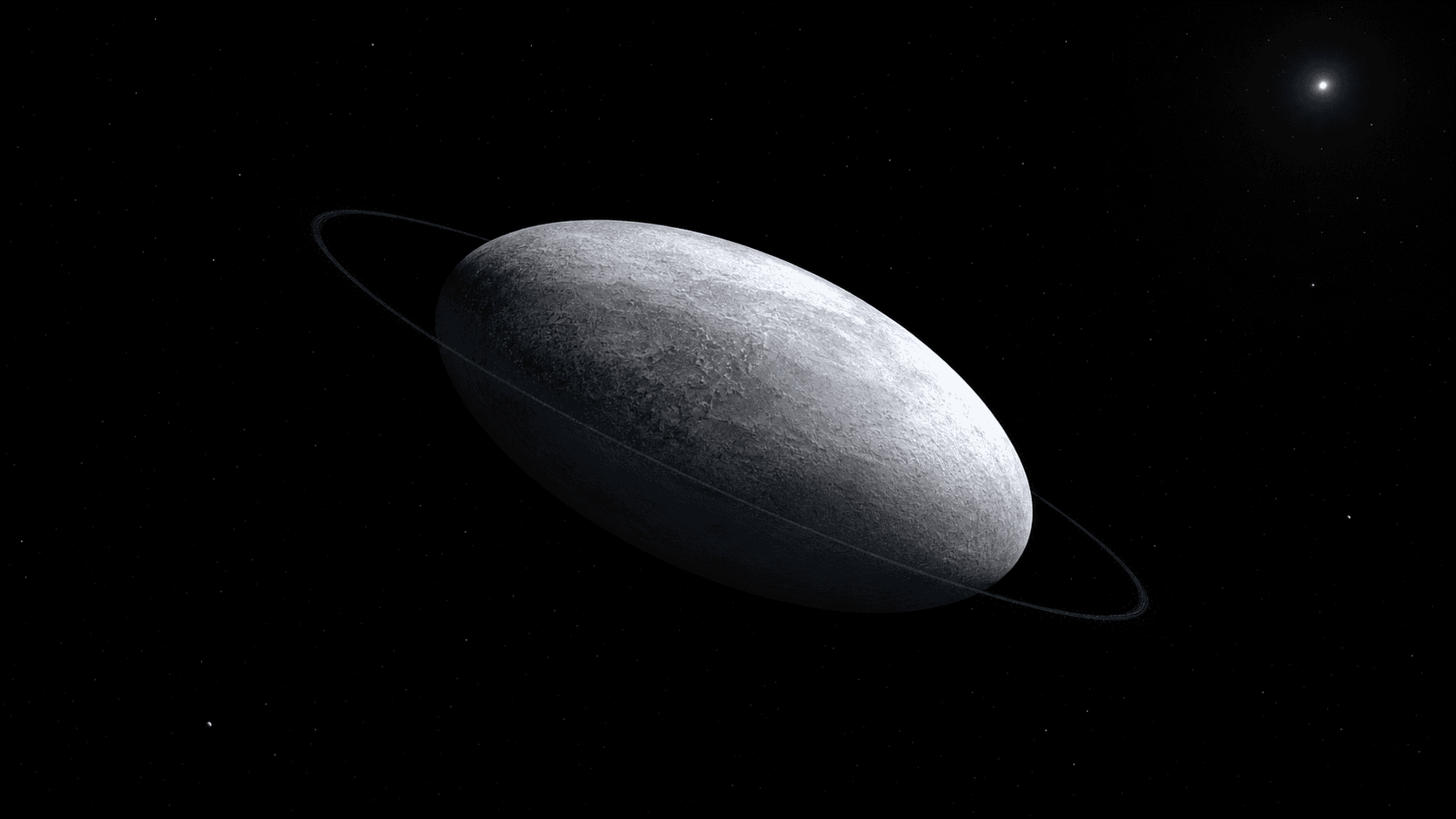 Dwarf planetData updated 2026-07-31HaumeaDwarf planet · Kuiper Belt · RingedA rapidly rotating, elongated ice world with two moons and the first ring found around a dwarf planet.Mean radius 798 kmReference gravity 0.42 m/s²
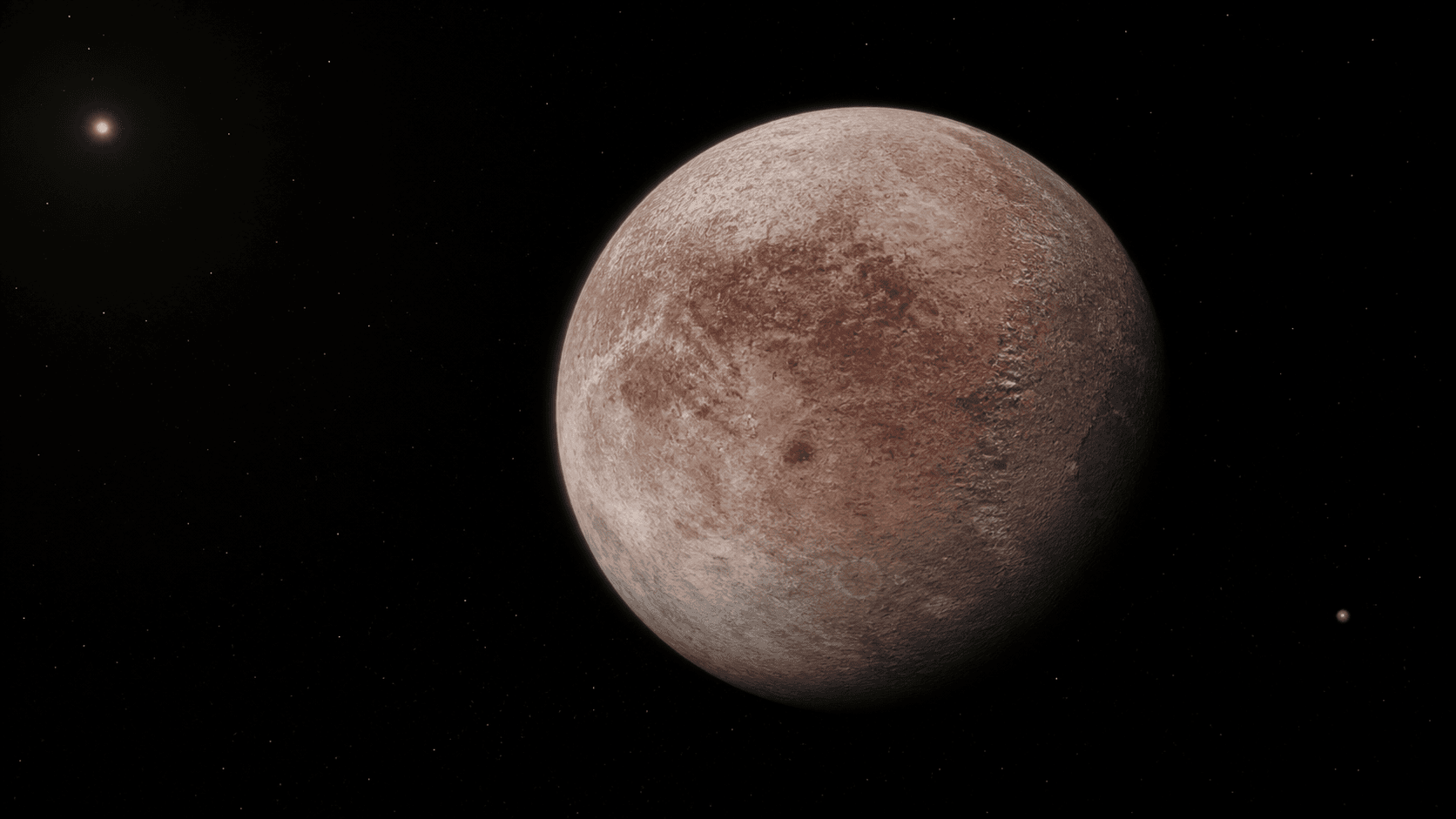 Dwarf planetData updated 2026-07-31MakemakeDwarf planet · Kuiper BeltA methane-coated distant world whose faint moon may one day let us weigh it properly.Mean radius 715 kmReference gravity 0.34 m/s²
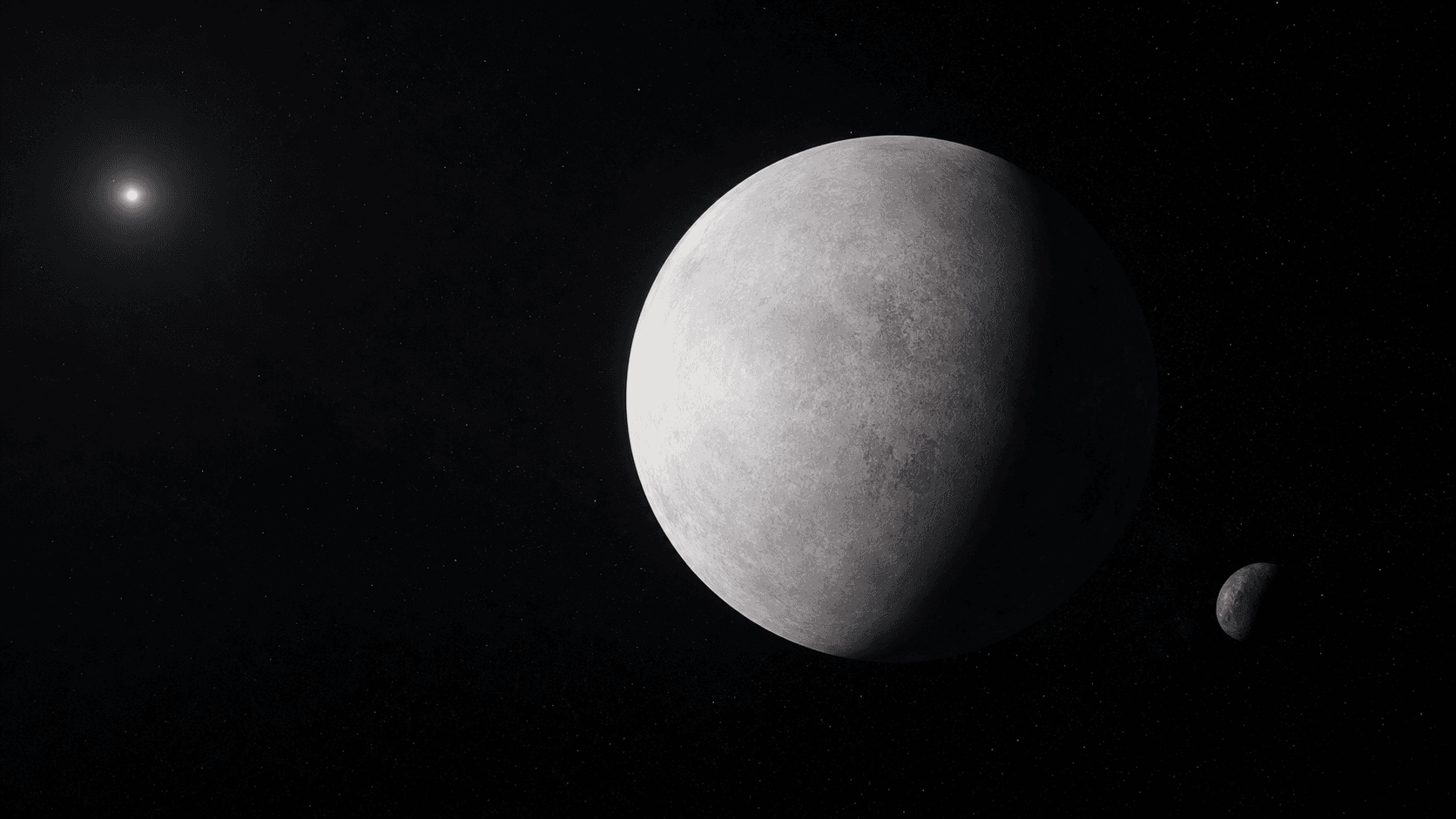 Dwarf planetData updated 2026-07-31ErisDwarf planet · Scattered discA massive, distant ice world whose discovery forced astronomers to define the word planet.Mean radius 1,163 kmReference gravity 0.82 m/s²